
Quick links
- Water Heater Installation Pleasanton CA: What Happens and What to Ask
- Pleasanton Plumbing by ZIP Code: 94566 and 94588
- What Pleasanton Homes, Water and Local Rules Bring to the Job
- How a Water Heater Replacement Is Done, Step by Step
- What Size Water Heater Do I Need? 30, 40, 50 and 60 Gallon Tanks
- Gas, Electric and Propane Tank Water Heaters Compared
- Where the Water Heater Goes: Garage, Closet, Attic, Outdoors and Mounting
- Earthquake Strapping, Relief Valve Piping and Expansion Tanks
- Permits, Inspections and Code in Pleasanton
- Installing It Yourself or Hiring a Plumber
- Tankless Water Heater Installation Pleasanton CA: What It Takes
- Tank or Tankless? Comparing Water Heater Types
- What Size Tankless Water Heater Do I Need?
- Propane and Liquid Propane Tankless Water Heaters
- Electric Tankless Water Heaters: Amperage, Panels and 120 Volt Units
- Heat Pump Water Heaters in Pleasanton
- Point-of-Use, Recirculation and Whole-House Options
- Venting and Gas Supply for Tankless: Direct Vent and Condensing Units
- Water Heater Replacement Cost in Pleasanton: What Drives the Price
- Labor, Parts and Extras: Where Installation Costs Come From
- Choosing a Good Water Heater Brand
- Warranties, Efficiency Ratings and Energy Labels
- Water Heater Not Heating: Quick Checks Before You Call
- Water Heater Repair Pleasanton: Common Faults and What Gets Fixed
- What to Do First When a Water Heater Is Leaking
- Maintenance That Extends a Water Heater's Life
- Plumber in Pleasanton: Everyday Plumbing Calls
- Emergency Plumber Pleasanton: What to Do Before Help Arrives
- Drain Cleaning Pleasanton, Sewer Lines and Laterals
- Leaks, Slab Leaks and Repiping
- Gas Lines and Appliance Hookups
- Commercial Plumbing in Tri-Valley Business Parks
- Nearby Tri-Valley Areas on the Same Phone Line
- How a Call Works and What to Have Ready
- Preparing Your Home for Water Heater Installation Day
- Questions to Ask Before You Hire for Water Heater Installation
- Mistakes to Avoid When Replacing a Water Heater
- ZIP Codes We Serve in Pleasanton
- Related Plumbing Help
- Frequently Asked Questions
If your tank is leaking, your hot water has quit, or you are planning an upgrade, water heater installation Pleasanton CA starts with one phone call to a plumber in Pleasanton. Give the phone team your street, your ZIP (94566 or 94588 are the two covered here), and what the heater is doing right now. They confirm coverage, pricing and availability for your address, so you know what to expect before anyone is scheduled.
Everything that follows is written in plain words for Pleasanton homeowners. It explains installation and replacement, how tankless, propane, electric and heat pump water heaters differ, what drives the cost, and when a repair makes more sense than a new unit. It also covers the wider set of plumbing services people call about, how the two Pleasanton ZIP codes tend to differ, and the nearby Tri-Valley cities of Dublin, Livermore, San Ramon, Danville and Sunol.
Water Heater Installation Pleasanton CA: What Happens and What to Ask
A water heater installation sets a new unit, connects it to water, fuel or power, venting and drainage, and proves it runs safely. In Pleasanton the job usually means swapping an existing tank or tankless unit, though some homes change fuel type or move the heater. The full detail lives on the water heater installation service and the wider water heater services section.
What the job looks like from start to finish at a glance
Most swaps follow the same arc.
- A plumber looks at the old heater, its location, the fuel, the venting and the shutoff valves.
- The old unit is shut off, drained and disconnected.
- The new heater is set in place, often on a drain pan, with new flexible connectors and, where needed, a new dielectric union or gas shutoff.
- Venting, the T&P valve discharge line and the expansion tank are checked or updated.
- The heater is filled, purged of air, fired or powered, and tested for temperature and leaks.
A tank-for-tank swap is often a shorter visit than a fuel change or a move to tankless.
What to tell the phone team
Have these ready:
- Your street address and ZIP, so coverage can be confirmed.
- What the heater is doing: leaking, no hot water, lukewarm water, noises, pilot or error code.
- Tank or tankless, gas or electric, and roughly how old it is.
- Where it sits: garage, closet, attic, side yard, or a shared utility room.
- A photo of the rating label, if you can take one safely.
If you smell gas, leave the building before calling. Do not touch switches or flames, and phone the gas utility or 911 from outside.
Why fuel, location and code decide the job
Fuel decides the connections: natural gas needs a gas shutoff and a vent path, electric needs the right circuit, and propane needs its own supply and regulator. Location decides clearances, access and whether a drain pan or seismic strapping fits. Code decides what must be updated when the old unit comes out, such as venting or a T&P discharge line. Gas, combustion and electrical connections are plumber-only work; see gas plumbing and new gas line installation for more.
Who needs installation, replacement or repair
- Installation fits a first-time heater, a new fuel type, a heater moved to a new place, or a tankless conversion.
- Replacement fits a heater that leaks from the tank body or is near the end of its life; see water heater replacement.
- Repair fits a sound unit with a failed thermostat, element, igniter or flame sensor, and often a tankless unit showing error codes; see tankless water heater repair.
A leaking tank body is rarely repairable, while a bad part on a younger unit often is. When you phone, say which of the three you think you need and let the plumber confirm it after looking at the unit, its age and the condition of the surrounding connections.
Questions worth asking before work begins:
- Is the permit included, and who handles it?
- Will the venting, drain pan, strapping and expansion tank be brought up to current requirements?
- What happens to the old unit?
- What does the price cover, and what could change it once the old heater is out?
Pleasanton Plumbing by ZIP Code: 94566 and 94588
Pleasanton plumbing needs are similar across the city, but housing mix and heater setups shift a little between ZIPs. What follows is general and hedged, since every street and building is different.
ZIP 94566 (about 1 mile from Tri-Valley University)
Homes in ZIP 94566 (about 1 mile from Tri-Valley University) commonly range from older single-family houses to newer neighborhoods, with some townhomes and condos. Heaters sit in attached garages, hallway or laundry closets, and utility alcoves in multi-unit buildings. In an older home, a replacement often includes new shutoff valves and flexible connectors; in a townhome or condo, shared walls and HOA rules can narrow the choices. Ask early whether the building has an HOA that expects approval before any work begins. When you phone, give the street, the ZIP, the heater's location, and whether it is gas or electric, so the phone team knows what to confirm first.
ZIP 94588 (about 2 miles from Tri-Valley University)
ZIP 94588 (about 2 miles from Tri-Valley University) generally leans toward newer suburban neighborhoods, where planned communities and HOAs are fairly common. Heaters are often in garages or dedicated closets, and tighter closets matter for tankless conversions and heat pump models that need space and airflow. Where an HOA applies, vent changes or a new outdoor location may need approval. Gas and electrical capacity can also limit what is practical, so it helps to know your panel and meter setup. Mention the home's age and any HOA rules when you phone.
Treating both ZIP codes together
The two ZIPs share the same water character, seismic region and rules, so the plumbing questions overlap far more than they differ. Treat the ZIP as a way to confirm coverage rather than a divider. If your street sits near the line, give the full address and let the phone team confirm. For wider coverage, see the plumbing service areas and plumbers by area.
Have a plumbing problem right now? Call and describe it.
Call 417-261-5030What Pleasanton Homes, Water and Local Rules Bring to the Job
Local conditions change how a water heater is chosen, installed and kept running. They do not replace a plumber's look at your own home.
Commonly hard Tri-Valley water and scale
Water across much of the Tri-Valley is commonly described as hard, meaning dissolved minerals form scale. Scale settles on heating elements and the tank bottom, and coats the heat exchanger in a tankless unit, which can shorten element life, make a tank noisy and reduce flow. Tank heaters benefit from periodic flushing and an anode rod check; tankless units commonly need descaling at intervals your plumber recommends. Upkeep affects tankless water heater cost over time, and a softener has tradeoffs worth asking about.
Older downtown-style homes, newer suburbs and HOAs
Pleasanton has a mix of housing ages, from older homes near the center to newer suburban neighborhoods.
- Older homes may have aging supply piping, older shutoff valves, or heaters in tight spots.
- Newer homes often have standard closet or garage setups that make replacement more straightforward.
- Townhomes and condos may have shared venting, limited space, or HOA approval steps.
- Homes with several bathrooms or a long run from the heater to a far bathroom may call for larger tanks, tankless units sized for simultaneous use, or a point-of-use water heater in a distant bathroom.
Seismic region: strapping and flexible connectors
Pleasanton sits in a seismic region, so strapping and flexible connectors matter. A full tank is heavy and can tip or pull on rigid piping or a gas connection during shaking. Strapping holds the tank to the wall framing, and flexible connectors give the heater room to move. Requirements vary, so confirm with the city and your plumber. A loose strap, rusted fitting or rigid copper that cannot flex is worth mentioning when you phone; a stable heater is also less likely to cause a hidden water leak.
Climate and exposed lines
The Tri-Valley climate is generally mild, so hard freezes are uncommon, yet cold snaps can affect pipes in attics, garages or outside walls. Outdoor tankless units and exposed lines benefit from insulation. A drain pan under a heater in a hot garage limits damage if the tank fails, and dampness near the heater is worth a call for plumbing repair rather than waiting.
Bay Area air-quality direction toward electric and heat pump heaters
Air-quality rules in the Bay Area have been moving toward zero-emission, electric water heating, which is why heat pump water heaters come up so often. Details and exemptions change, so ask your plumber what applies now. A heat pump unit moves heat from surrounding air into the tank instead of burning fuel, and it commonly needs space, airflow, a condensate drain and a suitable circuit. Homes that stay with gas, propane or electric tankless have their own requirements, and a plumber can walk through the tradeoffs for your layout. To compare setups, see propane tankless water heater and electric tankless water heater.
Permits commonly needed: confirm with the city and your plumber
A water heater replacement or new installation commonly needs a permit, and some jobs need an inspection. Requirements depend on the work, fuel and location, so confirm with the city and your plumber, and ask who handles the permit. Pricing is confirmed by phone; plumber cost factors explain what moves it.
For context beyond Pleasanton, see plumbing services in California. The Santa Clara coverage goes into tankless maintenance in depth, much of which applies to hard-water Tri-Valley homes. If a failure feels urgent, people often ask for an emergency plumber; availability is confirmed when you phone. Before you do, gather your street and ZIP, the heater type and fuel, its location, a photo of the label, and what it is doing now, so the phone team can confirm coverage and the next step without a long back-and-forth.
## Water Heater Replacement Pleasanton: Signs It Is Time
A tank that leaks from the shell, is well past its expected service life, or keeps needing repairs is usually a replacement job. Homeowners weighing water heater replacement Pleasanton options are most often reacting to a few warning signs that appear weeks or months before the tank fails.
Age, rust and repeated repairs
Most storage tanks wear out from the inside. The anode rod is a sacrificial rod that corrodes so the steel tank does not, and once it is used up the lining rusts. Tri-Valley water is commonly on the hard side, and scale on the tank floor makes things worse. Signs that point toward replacement:
- The rating label shows the heater is in the later part of its service life.
- Rust-colored water comes only from the hot side.
- Rust, flaking or moisture shows around the base or fittings.
- A thermostat, gas valve or heating element has already been replaced more than once.
- Rumbling, popping or lukewarm water persists because sediment has built up.
The water heater replacement overview covers the repair-versus-replace decision in more detail.
A leaking tank means replacement
Drips from a fitting or relief valve can often be repaired. Water seeping through the steel shell cannot, because the inner tank has corroded through. While you wait for help:
- Close the cold-water shutoff on the pipe feeding the heater.
- Turn the gas control to off if you can reach it safely, or switch off the electric breaker.
- Move stored items away and set out towels or a shallow pan.
If you smell gas, leave the building, avoid switches and flames, and call the gas utility or 911 from outside. For a flooding heater, the emergency plumbing information explains what to tell a dispatcher; availability is confirmed when you phone.
Phone with your street, ZIP 94566 (about 1 mile from Tri-Valley University) or ZIP 94588 (about 2 miles from Tri-Valley University), the age on the rating label and where the water is coming from.
How a Water Heater Replacement Is Done, Step by Step
A tank replacement makes the old unit safe, removes it, sets the new one on a proper base, reconnects everything and tests before anyone leaves.
- The plumber confirms fuel type, size, connections and whether the new unit fits the space and venting.
- Water and gas or power are shut off, and the tank is drained to a safe discharge point.
- The old unit is disconnected from the water lines, gas connector or electrical whip, and the vent, then removed.
- A drain pan with a drain line is set where the building allows one, and the new tank goes on it.
- Water connections are made with dielectric unions or flexible stainless connectors, plus new shutoff valves if the old ones are corroded.
- A new temperature and pressure relief valve gets a discharge pipe routed to an approved termination.
- An expansion tank is added when the plumbing is a closed system that calls for one.
- Gas units get a new flexible connector, a sediment trap where required and a vent with proper slope and support.
- Earthquake straps go on, and the tank is filled with hot faucets open so air purges from the lines.
- The plumber leak-tests the gas joints, checks the flame and draft, or tests the elements.
- The thermostat is set to a safe temperature and every connection is rechecked once the tank is heating.
What a plumber checks before leaving
- No drips at any union, valve or connector under pressure.
- Stable burner operation and confirmed draft on gas units.
- A relief valve and discharge pipe that are not capped or reduced.
- Secure straps, pan and any required platform.
The water heater installation overview describes each stage further. When you phone, have the make, model and fuel type ready, with a photo of the current setup.
What Size Water Heater Do I Need? 30, 40, 50 and 60 Gallon Tanks
Size depends on how many people use hot water, how many bathrooms you have and how often use overlaps. A 40 gallon gas water heater is a common starting point for a small household, though your habits matter more than any rule of thumb. A 30 gallon tank can suit a condo or a single person, a 50 gallon tank is a frequent choice for medium households, and a 60 gallon water heater is often considered for larger families or several bathrooms.
First-hour rating, recovery and fit
The first-hour rating is how much hot water a heater can deliver in the first hour of heavy use, and it is often a better match to real life than the gallon number. Recovery rate is how quickly the burner or elements reheat the water. Gas generally recovers faster than an electric tank of the same size, so a smaller gas tank can sometimes match a larger electric one.
- Count people using hot water in the morning rush, and count bathrooms.
- Note whether a large tub or dishwasher and washer run at the same time as showers.
- Measure height, diameter and clearance, since water heater dimensions vary and an efficient model with a thicker jacket may not fit an older closet.
If space or demand is a problem, a tankless water heater cost comparison can help you decide. Give the phone team your household size, bathroom count and current tank size.
Gas, Electric and Propane Tank Water Heaters Compared
Fuel affects venting, installation needs, running cost and recovery speed, and in most homes the choice comes down to what is already connected, since switching fuel adds work.
Natural gas and propane
A natural gas tank heater burns gas under the tank and exhausts through a flue or sealed vent. It needs a gas line, a shutoff valve, a flexible connector, a vent and enough combustion air, and a 30 gallon gas water heater or a 40 gallon one commonly recovers faster than the same size electric. A propane water heater is built much like a natural gas unit, but its burner is set up for propane and the fuel comes from a tank on the property, which is more common in rural areas. A natural gas unit cannot simply run on propane without correct conversion parts and a plumber's sign-off. The gas plumbing overview explains the gas side, and the propane tankless water heater overview covers the on-demand version.
Electric tanks
An electric tank uses two elements and needs a dedicated circuit, so panel capacity matters. With no combustion, flue or gas line, it fits closets and interior spaces with no vent path, but recovery is typically slower. The electric tankless water heater overview covers the on-demand alternative.
What changes when you switch fuel
- Gas to electric: a new circuit, a panel check and a capped gas line.
- Electric to gas: a gas line, vent route, combustion air and shutoff; see gas line installation.
- Natural gas to propane: a regulator, a property tank and a propane-rated unit.
A like-for-like swap is usually simpler than a fuel change. Tell the phone team the current fuel, whether you are open to changing it and what you have for a panel or gas meter.
Ready to get a quote? Availability and pricing are confirmed by phone.
Call 417-261-5030Where the Water Heater Goes: Garage, Closet, Attic, Outdoors and Mounting
Placement shapes venting, safety and access. A garage, closet, attic or side yard each has its own rules, and the location often decides which model can be installed.
Garages, closets and condos
In garages, gas heaters are commonly raised or protected because flammable vapors from gasoline or solvents can settle near the floor and reach an open flame; local rules and manufacturer instructions set the details. In closets, clearance to walls, access to the controls and combustion air matter. Condominiums and townhomes add shared walls, limited vent paths and HOA rules about where equipment can go.
Mounting, drain pans and leak sensors
For water heater mounting, a platform or stand raises the unit, supports a drain pan and, in garages, places the burner at the commonly required height. A full tank is heavy, so a plumber should check the framing in an attic, which also needs a pan drained to a safe termination. A leak sensor or automatic shutoff valve gives early warning, and the leak detection overview explains how hidden water loss is tracked down.
Direct vent and sealed combustion
A direct vent water heater has a sealed combustion chamber that draws air from outdoors and exhausts through a sealed pipe, often through a side wall. It suits tight closets and finished spaces where a conventional flue is hard to run, though it is more involved to install.
Send the phone team photos of the location, the vent route and the space around the unit.
Earthquake Strapping, Relief Valve Piping and Expansion Tanks
California is a seismic state, so a tank water heater is commonly required to be braced, and a plumber normally installs or checks the straps with any replacement. Confirm details with the city and your plumber.
Strapping and flexible connectors
Strapping keeps a full tank from tipping and tearing the gas or water lines. It typically uses two metal straps around the upper and lower tank, anchored to studs or blocking with solid hardware. Stainless flexible water connectors and an approved flexible gas connector let the unit move slightly without breaking rigid pipe, and old connectors should not be reused.
Relief valve piping and expansion tanks
The temperature and pressure relief valve opens if the tank gets too hot or the pressure climbs. Its discharge pipe runs downward, matches the valve outlet size and ends at an approved location with no cap or valve. Never plug a dripping relief valve; a steady drip can mean high pressure, thermal expansion or a worn valve.
Heated water expands, and a closed system, often created by a pressure regulator or a backflow device, has nowhere to send the extra volume. A small expansion tank on the cold line absorbs it. The backflow preventer testing information explains why some homes are closed systems.
Tell the phone team whether your heater has straps, an expansion tank and a visible relief pipe.
Permits, Inspections and Code in Pleasanton
Replacing a tank commonly requires a permit and inspection because the work touches gas, venting, water and seismic safety. A water heater permit Pleasanton homeowners are asked about is generally pulled by the installing plumber, but confirm with the city and your plumber how it works for your address.
An inspector commonly looks at:
- Vent material, slope, support, clearances and termination.
- Earthquake strapping and anchoring.
- The relief valve and its discharge pipe.
- The gas connector, shutoff and a gas leak test.
- Combustion air, expansion tank, drain pan and drain termination where required.
Unpermitted work can cause trouble when you sell or file an insurance claim. The plumber cost overview lists scope factors. Give the phone team your address and ask who handles the permit and inspection.
Installing It Yourself or Hiring a Plumber
For a gas tank heater, hiring a plumber is the safer path, because gas connections, venting, combustion air and carbon monoxide are risks you cannot see. Homeowners often ask about installing a used gas water heater yourself or buying a hot water tank installation kit. Kit parts can help, but they do not replace the knowledge to place the vent, test for leaks and meet code.
Why gas work is a plumber task
A poorly vented heater can fill a home with carbon monoxide, a loose gas fitting can leak unnoticed, and a missing relief pipe can scald someone. A used heater adds unknowns such as sediment, a spent anode rod or a unit not rated for your fuel. Gas, venting and electrical work are plumber-only.
What a homeowner can safely prepare
- Clear working room around the heater and measure the closet and door width.
- Know where the main water and gas shutoffs are.
- Ask the HOA or building manager about access rules in a condo or townhome.
Manufacturers commonly require a qualified installer for warranty coverage, and unpermitted work can complicate a claim or a home sale. The plumbing installation and bathroom remodel plumbing overviews show how a heater fits larger projects. Phone with the heater's make, fuel, location and photos, and ask what the plumber handles and what you can do beforehand.

Water still running or a smell of gas? Act first, then call.
Call 417-261-5030Tankless Water Heater Installation Pleasanton CA: What It Takes
A tankless water heater heats water only while a tap is open. A flow sensor tells the control board to fire the burner (or energize the elements), and cold water passing through a heat exchanger is raised to the set temperature. That is why tankless water heater installation Pleasanton CA homeowners ask about is mostly about the supporting systems: gas, vent, drain, electrical and water supply.
Swap-for-swap or first-time conversion
A swap-for-swap job puts a new tankless unit where an older one hangs, so the gas line, vent and water connections are usually in place. Anyone looking for tankless water heater replacement Pleasanton homes need should still expect a plumber to confirm the old vent and gas sizing suit the new model.
A conversion from a tank is bigger. The unit moves to a wall, burns more fuel at once, and commonly needs different venting and a condensate drain. It is also a chance to add isolation valves and replace tired fittings.
What a first-time conversion commonly needs
- Gas supply: often a larger or upsized line, since a tankless burner can draw far more gas than a tank burner.
- Venting: sealed combustion venting with clearances to windows, doors and property lines.
- Condensate drain: condensing units make acidic condensate that needs a drain path, often through a neutralizer.
- Electrical: an outlet or hardwired connection for the fan and controls.
- Water supply: pressure and filtering suited to the unit, since hard minerals are commonly an issue in this region.
- Isolation valves and a relief valve: the valves let a plumber flush scale later, and the relief valve needs a safe discharge path.
Gas, venting and electrical connections are plumber-only work. Qualified tankless water heater installers Pleasanton residents call will size all of this before quoting; see water heater installation services for the scope and tankless cost factors for what moves a quote. When you phone, give your street, ZIP 94566 (about 1 mile from Tri-Valley University) or ZIP 94588 (about 2 miles from Tri-Valley University), your current fuel and a photo of the heater and gas meter.
Tank or Tankless? Comparing Water Heater Types
Neither type wins everywhere. A tank heater is simpler to set up, while a tankless heater saves floor space and keeps delivering as long as flow stays within its rating.
- Upfront work: a tank is usually like-for-like; tankless often adds gas, vent, condensate or electrical changes.
- Space: a tank takes floor area; a tankless unit mounts on a wall.
- Continuous hot water: a tank can run out and must recover; tankless keeps going within its flow rating.
- Energy: tankless avoids keeping a full tank hot all day, but real savings depend on your usage and piping.
- Lifespan: tankless units are commonly said to last longer when maintained, but water quality matters. Ask a plumber what to expect.
- Maintenance and repair: tanks need flushing and anode rod checks and mostly fail by corrosion. Tankless units need scale flushing and have more sensors and electronics.
- Simultaneous use: a tank draws on stored volume; a tankless unit must heat for every open fixture at once.
Electric tankless versus gas tankless
An electric tankless unit needs no gas line or vent, which suits condos and tight closets, but it asks for heavy electrical capacity. A gas unit needs venting and a larger gas supply but often delivers a stronger flow. A plumber can compare gas line capacity against panel capacity before you choose.
Who each type suits
- Families with overlapping showers: a well-sized gas tankless or a larger tank.
- Small homes and townhomes: a wall unit can free a closet if venting is possible.
- Condos: electric or direct-vent units may be the only options, and HOA rules commonly apply.
- Remodels: open walls make it easier to move gas and vent routes; see bathroom remodel plumbing.
If your heater is failing, water heater replacement covers the tank side. Tell the phone team the heater's age, fuel, location and how many people use hot water on a busy morning.
What Size Tankless Water Heater Do I Need?
Sizing comes from two numbers: the gallons per minute (GPM) you want at once, and the temperature rise needed from incoming water to the tap. Sizing is a plumber calculation, but these are the inputs.
- Flow rate: add up fixtures that may run together, such as a shower, kitchen faucet and dishwasher.
- Temperature rise: colder incoming water means more work for the unit.
- Incoming water temperature: groundwater in a mild climate is usually less cold than in northern states, but it varies by season.
- Fuel supply: a unit cannot reach its rating without enough gas or amperage.
Fixture checklist
- Number of showers, and any multi-head or body-spray valves
- Soaking or large garden tub
- Kitchen sink, dishwasher and clothes washer
- Two bathrooms running at once
- Fixtures far from the heater
- Any softener or filter on the line
A whole-house unit serves the entire system, while point-of-use units serve one fixture or a small group. The smallest instant water heater is typically a compact electric unit for one sink; it is not meant to run a shower. Common mistakes include sizing for average rather than peak use and forgetting that a larger unit may need a larger gas line or more amperage. Share your fixture count, heater location and photos of the gas meter or panel when you phone, or see the broader water heater options.
Propane and Liquid Propane Tankless Water Heaters
A propane tankless water heater works like a natural gas unit but burns propane stored as a liquid in a tank and delivered as vapor through a regulator. A liquid propane tankless water heater mostly matters for homes without a natural gas line, such as rural edges. Many Pleasanton homes are on natural gas, so confirm what your property has.
- Indoor units are vented through a wall or roof; outdoor units mount on an exterior wall and free interior space.
- Conversion kits: some units switch fuels with a gas orifice kit, but that is gas and combustion work for a plumber. A wrong orifice or pressure can cause unsafe combustion.
- Tanks and regulators: tank size, distance from the house and regulator capacity all matter because a tankless unit draws a lot of fuel at once.
For fuel-specific details, see propane tankless water heater service, and for line routing read about gas line installation. If you smell gas, leave the building, avoid switches and flames, and call the gas utility or 911 from outside. Tell the phone team whether you have a propane tank or a gas meter, plus the model on your current heater.
Electric Tankless Water Heaters: Amperage, Panels and 120 Volt Units
An electric hot water heater can be a tank or tankless unit. An electric tankless heats water with elements as it flows and needs no gas or vent, but it draws high amperage while running.
- Amperage and circuits: whole-house units often need several dedicated circuits, with breakers and wire gauge matched to the rating. This is an electrician matter, handled by the right trade.
- Panel capacity: an older panel may need an upgrade first.
- Plumbing side: isolation valves and a relief device where required.
Choosing the right electric tankless water heater means matching the unit's rating to your panel and fixtures. Tankless water heater reviews show how units perform elsewhere, but your panel, water quality and installation matter more than a rating alone.
A 120 volt tankless water heater is a small point-of-use unit, usually for one sink. It cannot supply enough power to run a shower in most cases, but suits a hand sink, bar sink or utility sink with a distant hot line.
Electric tankless fits condos with no gas path, add-on bathrooms and homes with spare panel capacity. For details, see electric tankless water heaters. Tell the phone team the panel's age, its amperage if readable, and where you want the unit.
Heat Pump Water Heaters in Pleasanton
A heat pump water heater uses electricity to move heat from surrounding air into the water instead of heating with an element. In many homes it can use less electricity than a standard electric tank, which is why heat pump water heater Pleasanton questions are growing. People also call it a high-efficiency water heater, a phrase used for condensing gas units too.
- Space and air flow: it needs enough room air volume or ducting; tight closets are often a problem.
- Temperature: it performs well in a moderate room, and a garage in a mild climate can suit it. A plumber should check.
- Condensate drain: it removes moisture from air, so it needs a drain path or pump.
- Sound: the fan and compressor make some noise, so consider bedrooms nearby.
- Dedicated circuit: it typically needs its own electrical circuit.
- Recovery: it is generally slower than a gas tank; many have a hybrid mode that uses elements to speed things up.
Bay Area air-quality direction has been moving toward zero-emission water heaters over time. Confirm with the city, your plumber and the air district which models qualify and whether any incentives apply at your address.
Heat pump water heater installation involves location, drain, electrical supply and air path, so a plumber should walk through the room first. Share the heater's age, its room and a photo of the panel when you phone.
Point-of-Use, Recirculation and Whole-House Options
If you wait a long time for hot water at a distant sink, the problem may be pipe length, not heater capacity. A tankless unit does not shorten that wait, because water in the pipe is already cold.
- Point-of-use heaters sit near one fixture, such as under a sink, so hot water arrives fast. The point-of-use water heater options include small tank and tankless styles, mostly electric.
- Recirculation pumps keep hot water moving through a loop. Some use a dedicated return line, and retrofit models may use the cold line as a return. Timers and sensors reduce running.
- Retrofit steps: insulate accessible hot lines, add a loop or a unit at the far fixture, move the heater closer to the main use, or choose a whole-house unit sized for peak demand.
A plumber can also review your water lines for long or undersized runs. Tell the phone team which fixture is slowest and where the heater sits.
Venting and Gas Supply for Tankless: Direct Vent and Condensing Units
Venting and gas supply decide whether a tankless unit can go where you want it. Both are plumber-only tasks because they involve combustion and gas pressure.
- Concentric vent: a pipe within a pipe that brings in air and exhausts flue gas through one wall opening.
- Two-pipe PVC: used by many condensing units, with one pipe in and one out.
- Stainless venting: used by some non-condensing units, which run hotter.
- Termination clearances: the vent must end a safe distance from windows, doors, air intakes and property lines, per local code and the unit's instructions.
- Condensate neutralizer: media raises the pH of acidic condensate before it reaches a drain and needs periodic checking.
- Gas capacity: meter capacity and total load, including furnace, range and dryer, must be checked, and a sediment trap and shutoff are part of a proper install.
For related work, see gas plumbing services and gas leak detection. Pleasanton is in a seismic region, so an automatic seismic gas shutoff may come up; confirm what applies with the city and your plumber. A damaged vent or blocked termination can cause carbon monoxide problems, so keep alarms near sleeping areas. If one sounds, get everyone outside and call 911 from outside.
If a heater has failed, tankless water heater repair and emergency plumbing are options, with availability confirmed when you phone. For wider projects, see plumbing installation. Give the phone team your street, ZIP, the wall you have in mind and a photo of the gas meter.
Water Heater Replacement Cost in Pleasanton: What Drives the Price
The water heater replacement cost in Pleasanton depends on a few physical facts about your home: the unit type and size, the fuel, the venting, and how hard the heater is to reach. Two houses on the same street can get very different estimates for that reason, and only a written estimate after a plumber has seen the heater, or photos of it, is dependable. For wider context, see what plumbers charge and why.
What moves the estimate
- Unit type and size: A conventional tank is the simplest swap. Tankless and heat pump units cost more to buy and often need more installation work. A bigger household may need a larger tank or a higher first-hour rating.
- Fuel: Changing from gas to electric, or back, can mean a new gas line or a new circuit, and often more permit work. The water heater replacement overview helps you weigh that choice.
- Location and access: Garage units are usually straightforward. Attics, closets, crawl spaces, and tight townhome utility rooms take longer. Older shutoffs, corroded nipples, or outdated vent runs are the usual reason a final bill differs from a phone estimate.
- Code items: Commonly these include a permit, seismic strapping, an expansion tank on closed systems, a drain pan, a proper T&P discharge pipe, and haul-away of the old tank. Confirm specifics with the city and your plumber.
- Timing: After-hours work may be priced differently from a planned morning swap. Availability is confirmed when you phone.
Comparing written estimates fairly
- Same fuel, size or flow rating, and energy rating.
- Same included parts: connectors, relief valve, and pan.
- Permit, strapping, expansion tank and haul-away shown as included or extra.
- Labor and parts warranty terms in writing.
A much lower estimate often leaves out one of those items. Have your street and ZIP ready, whether ZIP 94566 (about 1 mile from Tri-Valley University) or ZIP 94588 (about 2 miles from Tri-Valley University), plus a photo of the rating label on the tank, when you ask for an estimate.
Labor, Parts and Extras: Where Installation Costs Come From
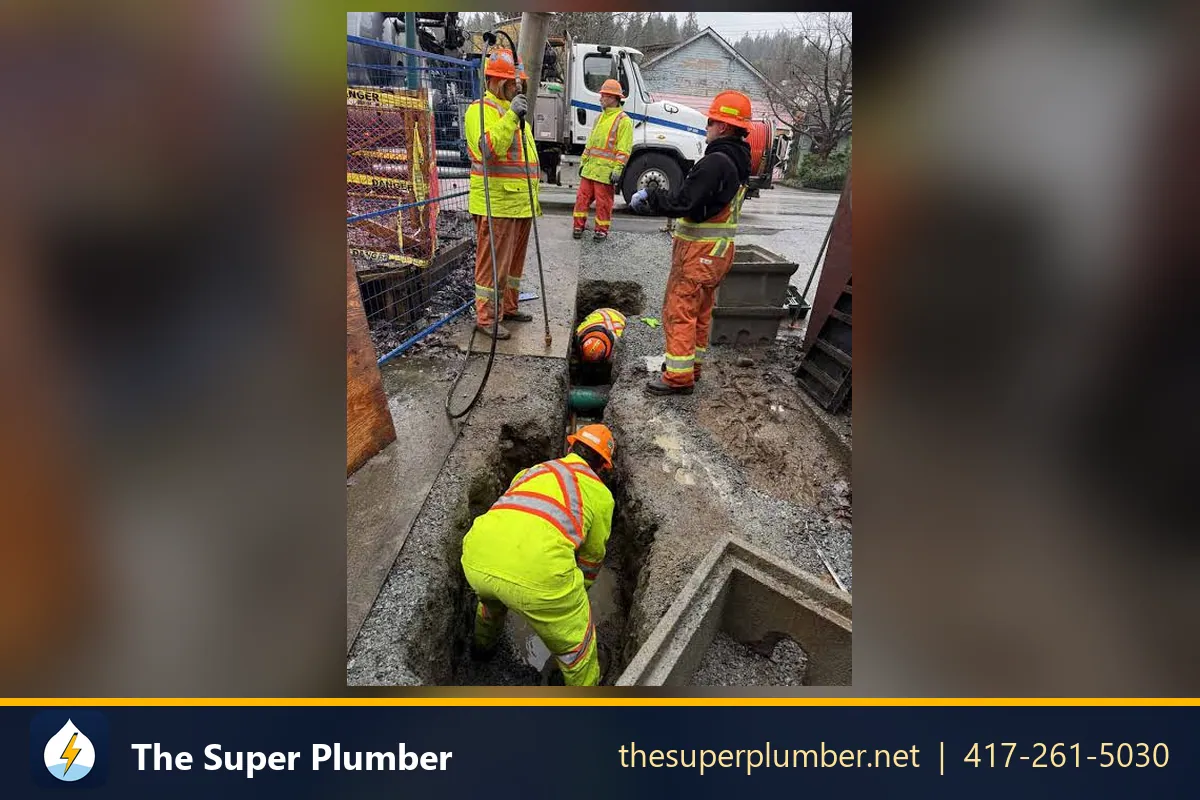
The labor cost to install a water heater covers draining and removing the old unit, setting and leveling the new one, reconnecting water, gas or electric, venting, testing for leaks, checking combustion and draft on gas units, and cleanup. The more of those steps your home needs, the more time the estimate reflects. The sequence itself is outlined in the water heater installation overview.
Parts worth asking about by name
- Flex connectors and dielectric unions to separate dissimilar metals
- A new T&P relief valve with a safe discharge pipe
- A drain pan and pan drain line where required
- Gas flex line and a sediment trap on gas units, where code calls for them
- A cold-side shutoff valve that actually closes
Reusing a corroded fitting is how a new heater ends up with an old leak.
Extras, tankless and heat pump drivers
Moving the heater means new piping and venting. Running gas to a new spot falls under gas line installation. A new circuit is electrical work, often handled by a qualified electrician.
For tankless units, the main drivers are gas line size, vent material and length, the condensate drain, and isolation valves for later servicing. Electric models draw a large load, as covered in electric tankless water heaters, and propane homes have their own fuel considerations under propane tankless units. A fuller look is in the tankless water heater cost overview. Heat pump units need airflow clearance and a condensate path.
What a quote should itemize
A quote should show the unit (make, model, capacity), labor, each major part, the permit if needed, disposal, warranty terms, and what is excluded. Ask whether a failed vent or gas line is extra and whether wall or ceiling repair is included. Tell the phone team the fuel, tank size, heater location, and any photos.
Choosing a Good Water Heater Brand
A good water heater is a sound model line, clear warranty terms, easy parts, a suitable efficiency rating, and a local plumber who can service it. The name on the jacket tells you less than the model number and the installation quality. Homeowners in Pleasanton commonly already own tank units from Rheem, A. O. Smith, Bradford White, or State, and tankless units from Navien, Rinnai, Noritz, or Bosch. They are named only because they are common in homes, not as a ranking or endorsement.
What matters beyond the label
- Model line: Makers sell entry, mid, and premium lines under one name, and warranty or build quality does not carry across them.
- Parts availability: Ask whether a plumber can get elements, thermostats, gas valves, or igniters for the model without a long wait.
- Fit and capacity: Footprint, venting, and first-hour rating or flow rate should match your space and household.
Reading reviews critically
Online reviews often blame a brand for problems caused by installation, hard water, or skipped maintenance. Look for patterns about a specific model line and weigh them against what an installing plumber has seen. Give the phone team the brand, model, and serial number of your current unit.
Warranties, Efficiency Ratings and Energy Labels
Efficiency in plain words
The UEF (uniform energy factor) on the yellow energy label shows how efficiently a heater turns energy into hot water; a higher number generally means lower running cost. Compare it among units of the same type and size. The first-hour rating shows how much hot water a tank can deliver in a busy hour and is often more useful for sizing than gallons alone. Tankless units are described by flow rate, and incoming water temperature affects what they can deliver, so ask the installer to size for your fixtures.
Tank, parts and labor warranties differ
- The tank warranty covers a failed tank, often pro-rated, and can exclude damage from sediment or wrong venting.
- The parts warranty covers components like the thermostat or gas valve, usually for a shorter period.
- The labor warranty typically comes from the installing plumber, not the manufacturer.
Read the actual document, since terms vary by model line. Registering the heater soon after installation is often required for full coverage. Many warranties also assume routine maintenance such as flushing or descaling, and local water is commonly on the harder side.
Water Heater Not Heating: Quick Checks Before You Call
A heater that is not heating usually has no fuel or power, a tripped safety, a failed heating part, or heavy sediment. A few checks are safe for any homeowner; the rest belong to a plumber.
Gas tank heaters
- Check whether other gas appliances work.
- Confirm the gas control knob is set to the on or temperature position.
- If the label gives lighting steps for a visible pilot, follow them exactly. If it will not stay lit, stop.
- Note any blink code on electronic-ignition units.
If you smell gas, leave the building, avoid switches and flames, and call the gas utility or 911 from outside. See gas leak detection for what comes next. Gas valves, thermocouples, flame sensors, and venting are plumber-only work.
Electric tank heaters
Check the heater's breaker; reset it once, and if it trips again, stop. No hot water often points to a failed upper element or thermostat, while lukewarm water often points to a lower element or broken dip tube. Opening panels and replacing elements involves line voltage and water, so leave that to a plumber.
Tankless units
Common causes are an error code, low flow, a closed gas or water valve, a clogged inlet filter, or scale on the heat exchanger. Write down the code, make sure isolation valves are open, and run enough flow to trigger the unit. Water that swings between hot and cold needs a plumber who services tankless units.
Sediment versus leaking
Hard water builds scale in tanks and on heat exchangers; rumbling, popping, and a shrinking hot supply are common signs. If the heater is cold and water is pooling, treat it as a leak first. When you phone, give the fuel type, age, what you tried, any blink code, and your street and ZIP.
Water Heater Repair Pleasanton: Common Faults and What Gets Fixed
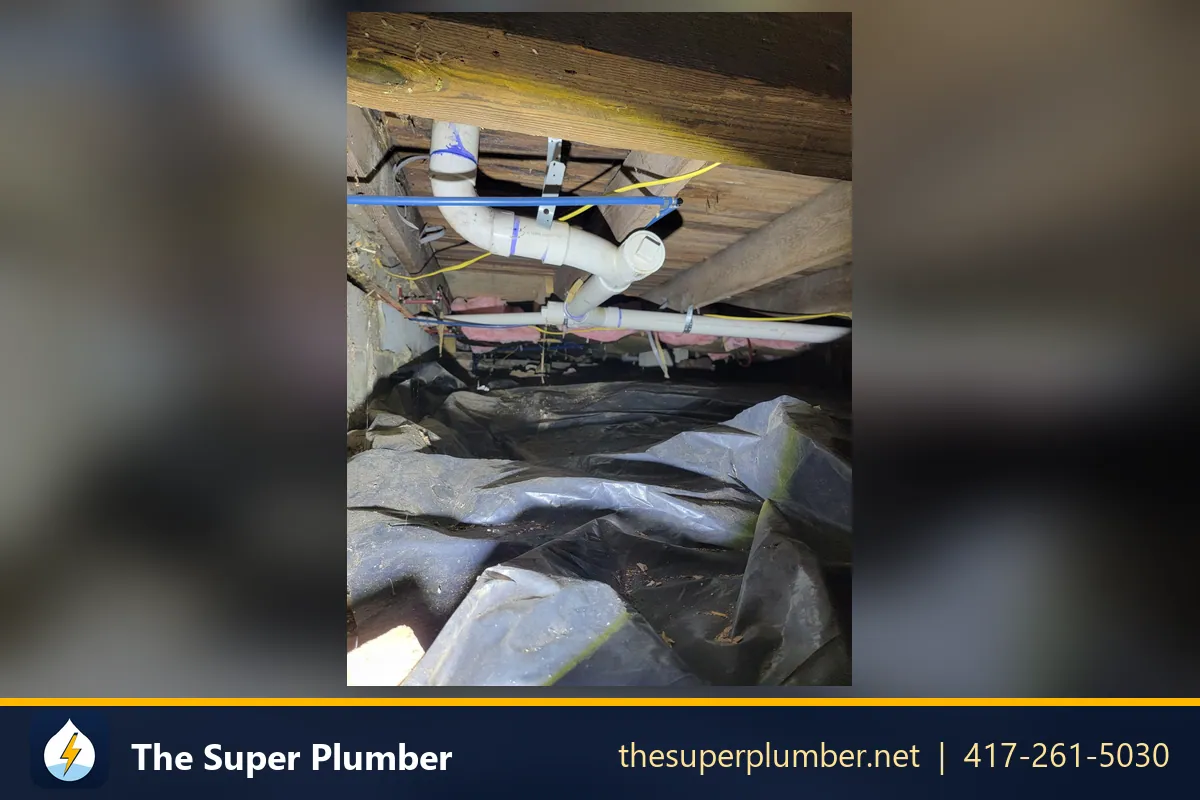
Homeowners who search for water heater repair Pleasanton mostly want to know whether the unit can be fixed or is at the end of its life. A plumber can usually tell after asking about age, history, and symptoms, and water heater repair Pleasanton CA decisions often come down to tank age and parts availability.
Common tank repairs
- Thermostat and elements: The usual causes of no heat or water that is too hot on electric units.
- Gas control valve, thermocouple, igniter, flame sensor: Failures or dirt here stop the burner from lighting or staying lit.
- T&P relief valve: A dripping valve needs a plumber and can point to excess system pressure.
- Drain valve, anode rod, sediment: Plastic drain valves crack, a spent anode rod can be replaced to extend tank life, and a flush can restore capacity.
Tankless repairs
A tankless water heater repair Pleasanton call usually involves sensors, ignition, the flame rod, the inlet filter, scale on the heat exchanger, or a code tied to venting or condensate. Descaling clears some codes; others mean a part must be replaced. The tankless water heater repair overview goes deeper, and broader plumbing repair covers problems beyond the heater.
Repair or replace
A younger heater with one failed part, such as a thermostat, element, or igniter, is usually a repair candidate. An older tank leaking from the tank body or rusted through is generally a replacement case, since a leaking tank cannot be repaired. A unit in an attic or upper floor deserves earlier replacement than one in a garage with a floor drain.
Calls to hot water heater plumbers Pleasanton CA go fastest when you have the make and model, the age, the symptom, and whether there is water on the floor.
What to Do First When a Water Heater Is Leaking
A leaking heater can do real damage fast, so the first minutes matter.
- Shut off the cold water inlet valve on the pipe feeding the tank.
- Turn off power or gas. Switch off the breaker for electric units. For gas units, turn the control to off if you can reach it safely. If you smell gas, leave and call from outside.
- Catch and contain the water with towels, a bucket, or a wet vac, and move belongings away.
- Take photos of the leak, the rating label, and wet surfaces for the plumber and any insurance claim.
- Call a plumber. If the leak is large or spreading, ask the phone team about emergency plumbing; availability is confirmed when you call.
What the leak location tells you
- At the top: Often a loose connector or dielectric union, usually repairable.
- From the T&P discharge pipe: May mean excess pressure or temperature; a plumber should check the expansion tank and pressure.
- At the drain valve: A worn valve, usually a simple fix.
- At the base: Often a failed tank, which cannot be repaired.
If you cannot find the source, leak detection can trace a hidden leak, and the water leak repair overview covers pipe leaks. Give the phone team your street, ZIP, the heater's location, and your photos.
Maintenance That Extends a Water Heater's Life
Regular maintenance is the most reliable way to get more years from a heater. Flush a tank periodically to remove sediment, which helps efficiency and reduces noise. Have the anode rod inspected, since a spent rod lets the tank corrode. Test the T&P valve only with care; it can discharge hot water, and if it does not reseat cleanly it needs a plumber. A mid-range temperature setting is commonly recommended as a balance of comfort, scald safety, and energy use, but check the manufacturer's guidance.
For tankless units, descaling is the key task, and it is covered in depth in the Santa Clara maintenance and descaling section for a neighboring part of the Bay Area; the same principles apply in Pleasanton. The full range of services is in the water heater services overview. When you phone about maintenance, share the unit type, when it was last serviced, and your ZIP.
Plumber in Pleasanton: Everyday Plumbing Calls
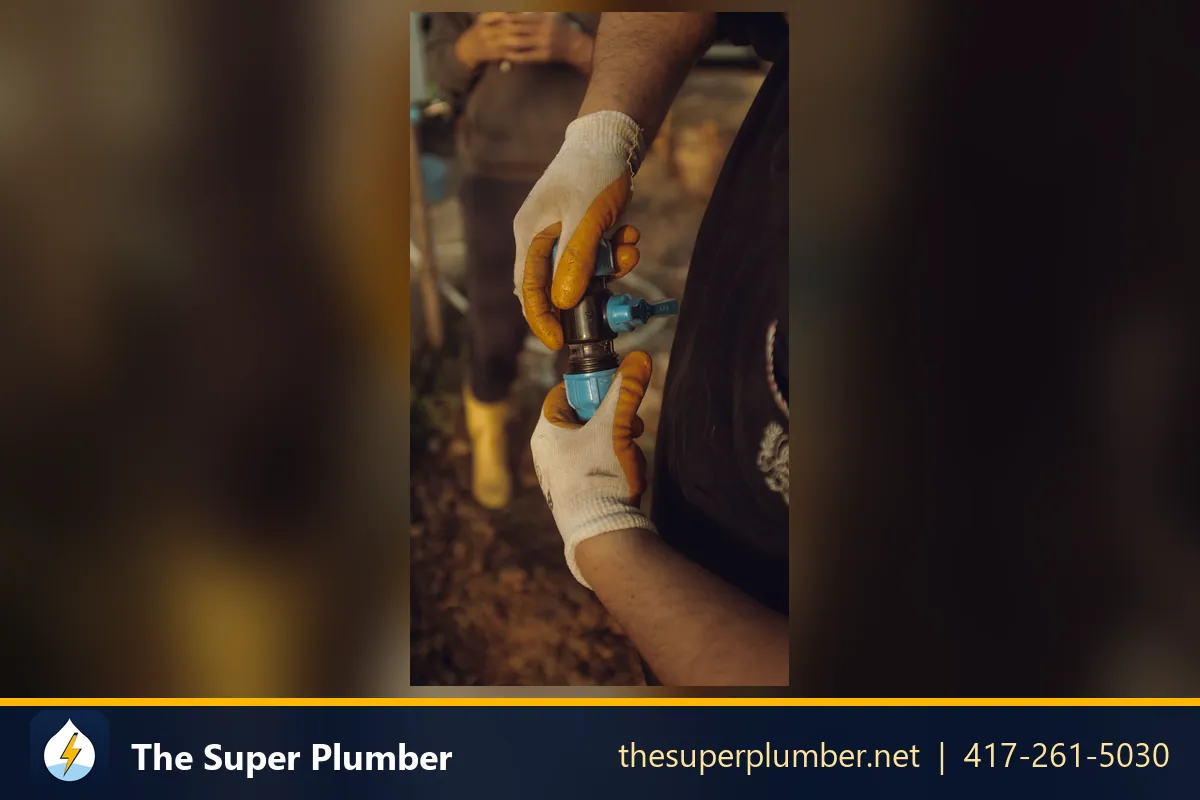
Most calls to a plumber in Pleasanton are not dramatic. They are a faucet that will not stop dripping, a toilet that keeps running, a disposal that hums but does not spin, or a kitchen drain that has slowed to a crawl. Pleasanton plumbing spans older ranch homes with copper or galvanized supply lines, newer tract homes, and townhomes and condos with shared walls and shutoffs, so the phone team asks about the fixture and the age of the home, not just the symptom.
Residents comparing plumbers in Pleasanton mainly want a plan they can describe quickly. A residential plumber can often narrow a repair down from a short description plus a photo or two. Availability, scheduling and pricing are confirmed by phone, never assumed.
How a Phone Request Usually Works
- You describe which fixture or line is involved and whether water is actively running.
- The phone team asks for your street and ZIP, such as ZIP 94566 (about 1 mile from Tri-Valley University) or ZIP 94588 (about 2 miles from Tri-Valley University), so coverage can be confirmed.
- You hear what a plumber would likely check first, and what to do meanwhile, such as closing a fixture shutoff valve.
- Timing and cost factors are discussed before anything is scheduled.
Typical Requests From Residents
Plumbing services Pleasanton homeowners ask about most often include:
- A dripping faucet, usually from a worn cartridge, washer or O-ring.
- A planned kitchen faucet replacement during a remodel.
- A toilet that is not flushing properly, often a flapper, fill valve or partial clog.
- A swapped fixture, such as a toilet installation with a fresh wax ring.
- A jammed or leaking garbage disposal.
- A refrigerator water line that leaks behind the unit.
- A water main problem, such as low pressure throughout the house.
For a wider view, see the full range of plumbing repair work, the overview of plumbing services, and the cost factors behind what plumbers charge. Have your street, ZIP, the affected fixture and a photo ready when you phone.
Emergency Plumber Pleasanton: What to Do Before Help Arrives
People who search for an emergency plumber Pleasanton or a 24 hour plumber are usually standing in water or smelling something unpleasant. Whether a plumber can come right away depends on the hour and demand, so availability is confirmed when you phone. What you control is the next few minutes.
First Steps for Most Water Emergencies
- Shut off the water at the main valve, often near the street side of the house, in a garage, or at the meter. Turn it clockwise until it stops.
- Open a low faucet to drain pressure from the lines.
- Turn off the water heater power or gas control if the tank or its lines are involved.
- Move valuables out of the wet area and stay away from outlets and cords near standing water.
- Photograph the damage and the source for any insurance claim.
- Phone and describe where the water is coming from.
Burst Pipes, Sewage Backup, Flooding and No Water
Burst pipe repair starts with that main shutoff. For a sewage backup, stop using every fixture, keep children and pets away, and do not pour chemical cleaners down the drain. For a complete loss of water, check whether neighbors are affected before assuming the problem is inside your walls.
If you smell gas, leave the building, avoid switches or flames, and call the gas utility or 911 from outside. More on what this kind of call involves is covered under emergency plumbing. Give your street, ZIP and whether the main has been shut off.
Drain Cleaning Pleasanton, Sewer Lines and Laterals
Drain cleaning Pleasanton requests usually begin with a clogged drain: a sink backing up with grease, a shower that pools, or a main line that gurgles when the washer drains. One slow fixture often means a clog in the branch line or P-trap. Several slowing together point toward the main drain or the sewer lateral, the pipe carrying wastewater from the house to the city sewer connection.
Cables, Jetting and Cameras
A plumber may use a cable machine to break up a blockage, or hydro jetting to scour grease and scale from the pipe wall. A sewer camera inspection shows whether the problem is a simple clog or something structural, such as a sagging section, a cracked joint or roots. Related reading covers clogged drain service, sewer line cleaning and why drain cleaner products are a poor first choice.
Older Laterals, Tree Roots and Buying or Selling a Home
Older homes may still have clay or cast iron laterals. Clay joints can let fine roots in, and roots from mature trees commonly follow moisture into the pipe. Repeated backups are a reason to ask for a camera look rather than keep clearing the same blockage.
Cities and sewer agencies sometimes have lateral rules, especially around property transfers. Ask about any local requirements before you buy or sell, and confirm details with the city or sewer provider and your plumber. Repairs may range from spot repair to trenchless pipe repair or full sewer line replacement, depending on depth, access and condition; the wider subject of sewer line repair explains how each is evaluated.
Tell the phone team which fixtures are slow, whether any drain smells or gurgles, and the age of the home.

Leaks, Slab Leaks and Repiping
A hidden leak may show up as a higher water bill, the sound of running water when everything is off, damp flooring, or a warm spot on a slab floor. A plumber may use acoustic listening devices, pressure tests and sometimes thermal imaging; the overview of leak detection explains them, and water leak and pipe repair covers what usually follows. A sump or well pump that runs constantly or fails to start can add to water trouble in low spots, and sump and well pump repair covers that side of the work.
Slab Leaks
Many Tri-Valley homes sit on concrete slabs, with supply lines running beneath or through the foundation. A slab leak repair may involve spot repair through the floor, rerouting the line overhead, or replacing it, depending on access, how many leaks have occurred and the pipe material.
Copper Pinholes, Polybutylene and Repiping
Some copper systems develop pinhole leaks over time, often linked to water chemistry, flow velocity or age. Homes built in certain decades may contain polybutylene supply pipe, which some plumbers recommend replacing; ask a plumber to identify what you have. When leaks keep returning, a repipe can replace the supply system with new copper or PEX, but it brings permit, wall access and scheduling needs.
Additions and Remodels
Room additions and kitchen or bath projects usually need new supply, drain and vent lines. Work like bathroom remodel plumbing is planned around the framing schedule, and plumbing installation covers how new lines are routed. Permits are commonly required; confirm with the city and your plumber.
Tell the phone team where you see water signs and whether the water bill has changed.
Gas Lines and Appliance Hookups
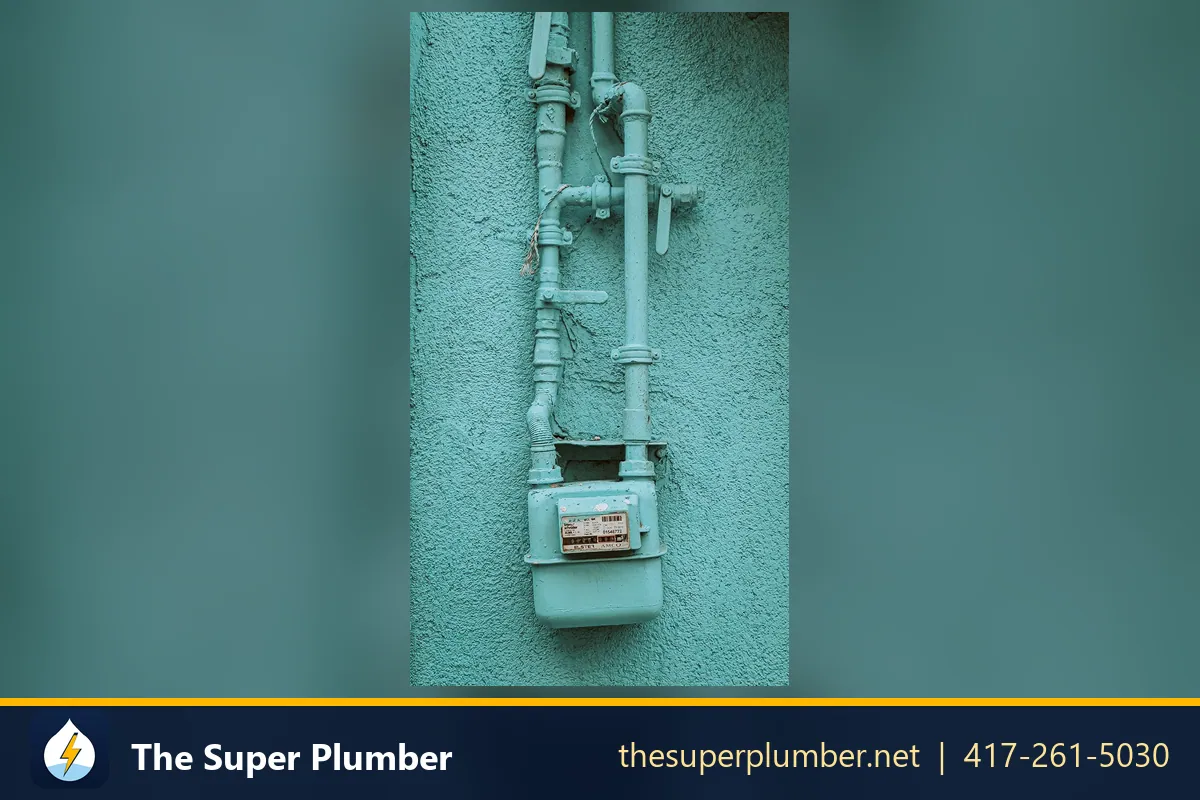
Gas work is for a plumber, not a weekend project. Gas line installation is needed when you add a range, dryer, fire pit or tankless water heater, and the pipe must be sized for the combined load. The overview of gas plumbing outlines the tasks, and gas line installation goes further on materials and pressure testing.
Connections, Connectors and Shutoffs
Every gas appliance should have its own accessible shutoff valve. Flexible connectors are common at ranges and water heaters but wear with age and corrosion, so a plumber checks them when an appliance is moved or replaced.
Gas Leak Detection
A rotten-egg odor means leave the building, avoid switches and flames, and call the gas utility or 911 from outside. Afterward, a plumber performs gas leak detection with calibrated tools and pressure tests.
Tell the phone team the appliance, the fuel type and the distance from the existing gas line.
Commercial Plumbing in Tri-Valley Business Parks
Offices, retail suites and restaurants in business parks often split plumbing responsibility between owner and tenant. Commercial plumber Pleasanton requests commonly involve:
- Backflow assemblies that protect the public water supply, where backflow preventer testing is commonly required by water providers.
- Grease traps or interceptors at restaurants, where neglected cleaning leads to slow drains and odors.
- Restroom fixtures in busy suites, where flush valves and supply stops wear quickly.
- Water heaters serving several suites, covered by water heater replacement planning.
For the broader context, see commercial plumbing, and tell the phone team the suite type, the fixtures involved and who manages the building.
Nearby Tri-Valley Areas on the Same Phone Line
Requests from neighboring cities come through the same phone line, and coverage is confirmed when you call.
Dublin
Townhomes and newer subdivisions in ZIP 94568 (about 4 miles from Tri-Valley University) often lead to water heater replacement in Dublin once a first tank ages out. See water heater installation for how a swap is handled.
Livermore
In ZIP 94550 (about 2.9 miles from Lawrence Livermore National Laboratory) and ZIP 94551 (about 5.7 miles from Lawrence Livermore National Laboratory), mature neighborhoods raise drain and lateral questions, and water heater installation in Livermore is common during remodels. Weigh tankless water heater cost factors first.
San Ramon
Homes in ZIP 94582 (about 12 miles from Lawrence Livermore National Laboratory) and ZIP 94583 (about 18 miles from University of California) often call a plumber in San Ramon about leak detection and repiping on older lines.
Danville
In ZIP 94506 (about 19 miles from University of California, Berkeley) and ZIP 94526 (about 16 miles from University of California, Berkeley), larger homes with several bathrooms often need water heater replacement in Danville, sometimes adding a point-of-use water heater for a distant bath.
Sunol
Calls from ZIP 94586 (about 1 mile from Golden Gate Railroad Museum) tend to come from rural properties, where water lines, pressure and booster equipment may need a closer look.
The same phone line reaches parts of the East Bay and wider Bay Area, so if you are nearer Santa Clara or San Jose, ask whether your street is covered. Residents elsewhere can see plumbing across California or the full set of service areas. Give the phone team your street, ZIP and what the pipe or fixture is doing.
How a Call Works and What to Have Ready
A call about a water heater is mostly a short conversation about what you own and where it sits. The phone team asks a few plain questions, then explains what happens next. Coverage, pricing and availability are all confirmed by phone, so nothing here promises a visit time or a price.
Expect questions like these:
- Which ZIP and street are you on, ZIP 94566 (about 1 mile from Tri-Valley University) or ZIP 94588 (about 2 miles from Tri-Valley University)?
- Is the job a leak, no hot water, a noise, or a planned replacement?
- Is the current heater a tank or a tankless unit, and does it run on natural gas, propane or electricity?
- Roughly what size and age is it, and where is it: garage, closet, attic or outside?
- Do you own the home, rent it, or manage it for someone else?
Photos make the call faster. A clear shot of the rating label (model number, serial number and capacity), a picture of any leak or rust, and a wide view of the space around the unit tell a plumber more than a long description. If you know what your electrical panel and gas meter look like, mention it, because a fuel change or an electric tankless unit depends on both. Do not open the heater, the panel or any gas fitting to find out.
Next comes a conversation about scheduling and an estimate. If anything smells like gas, leave the building first, avoid light switches and flames, and call the gas utility or 911 from outside. For active flooding, shut the water supply to the heater and read about emergency plumbing before you phone.
Give the phone team your street, your ZIP, what the heater is doing and the label photos, and the rest of the call goes quickly.
Preparing Your Home for Water Heater Installation Day
Good preparation keeps a replacement smooth, and most of it is clearing space. A plumber needs to reach the old unit, the shutoff valves, the gas or electrical connection and the vent. Gas, venting, electrical and pressurized work stays with the plumber.
Before the visit:
- Clear a path from the entry door to the heater and move storage out of the area.
- Leave room in the driveway or at the curb for a work vehicle and the new unit.
- Locate your main water shutoff and make sure it turns.
- Put pets in a closed room.
- In a condo or HOA, tell the manager or board about the planned water shutoff, since shared risers can affect neighbors.
- Ask whether removal of the old tank is part of the scope.
- If you rent, confirm with the owner who approves the work.
Plan on a stretch without hot water while the old unit comes out and the new one is connected and tested. A tankless conversion or fuel change may involve more work than a like-for-like tank swap, so ask what to expect for your setup.
Once the new heater is running, check a few things:
- Run a hot tap and confirm the water heats without strange noises.
- Look at the connections, drain pan and floor for drips.
- Confirm the relief valve discharge pipe runs downward, uncapped, to a safe drain point.
- Check that the tank is strapped to the wall framing, worthwhile in a seismic region like the Bay Area.
- Confirm the thermostat is set to a safe temperature, and ask the plumber what they recommend.
If something looks wrong, call back instead of tightening fittings yourself. See water heater installation and water heater replacement for more on the process.
Questions to Ask Before You Hire for Water Heater Installation
A quote only means something when you know what it covers. These questions work for any plumbing contractor.
- What exactly is included: the unit, valves, flex connectors, venting parts, a drain pan and labor?
- Who pulls the permit and schedules any inspection? Confirm requirements with the city and your plumber.
- How will the heater be braced to the wall?
- Does the job need an expansion tank, and why or why not?
- Is the existing vent right for the new unit, and who pays if it needs changes?
- Does the gas line, shutoff or electrical circuit need work, and is it in the quote?
- Is old unit removal and disposal included?
- What warranty paperwork do I receive, and who handles a manufacturer claim versus a labor concern?
- How are scope changes approved, in writing and before extra work begins?
- Can I see the model number and capacity before the unit goes in?
On credentials, ask for the contractor's state license number and look it up with the state contractor licensing board yourself. Ask for proof of liability coverage and workers' compensation paperwork, and compare the business name on the quote with those documents. For what drives a quote, read about plumber cost factors. Tell the phone team your street, ZIP, heater type and fuel so the estimate matches your setup.
Mistakes to Avoid When Replacing a Water Heater
Most regrets after a replacement trace back to a few repeatable errors:
- Undersizing the unit, because a heater that cannot keep up leaves long showers running cold.
- Ignoring the venting, since a gas heater needs the right path for exhaust to leave the home.
- Skipping the drain pan, because a small leak in a closet or attic can become ceiling or floor damage.
- Capping the relief valve, since it exists to release pressure and must never be blocked.
- Doing gas work yourself, because a bad connection or vent can cause fire or carbon monoxide hazards.
- Buying a unit that does not fit the space, since height, clearance and venting needs vary by model.
- Ignoring permits, because unpermitted work can cause trouble when you sell or file a claim.
- Choosing only on the lowest quote, since two quotes often cover different parts, braces and disposal.
A plumber walking the space once catches most of these. For background on equipment choices, see water heaters.
ZIP Codes We Serve in Pleasanton, CA
Pleasanton coverage includes 2 ZIP codes. Look up yours in the table.
| ZIP code | Area | Nearby landmarks | County |
|---|---|---|---|
| 94566 | Pleasanton area | ▸ Near Tri-Valley University ▸ About 5 miles from Las Positas College ▸ About 9 miles from Lawrence Livermore National Laboratory | Alameda |
| 94588 | Pleasanton area | ▸ About 2 miles from Tri-Valley University ▸ About 5 miles from Las Positas College ▸ About 10 miles from Lawrence Livermore National Laboratory | Alameda |
Nearby Pleasanton-Area Cities and ZIP Codes
The same phone line also takes calls for 5 nearby cities with 8 more ZIP codes. Tell the phone team the city and ZIP and coverage is confirmed for your address.
| City | ZIP codes and places |
|---|---|
| Dublin | 94568 about 4.5 miles from Tri-Valley University; about 7 miles from Las Positas College |
| Livermore | 94550 about 2.9 miles from Las Positas College; about 2.9 miles from Lawrence Livermore National Laboratory 94551 about 3.3 miles from Las Positas College; about 6 miles from Lawrence Livermore National Laboratory |
| San Ramon | 94582 about 7 miles from Tri-Valley University; about 12 miles from Lawrence Livermore National Laboratory 94583 about 14 miles from Oakland Coliseum; about 18 miles from University of California |
| Danville | 94506 about 15 miles from Lawrence Livermore National Laboratory; about 19 miles from University of California, Berkeley 94526 about 14 miles from Oakland Coliseum; about 16 miles from University of California, Berkeley |
| Sunol | 94586 about 1.3 miles from Golden Gate Railroad Museum; about 4.7 miles from Tri-Valley University |
Other California Cities and ZIP Codes We Serve
Calls are also taken for other California cities, 373 in all. Every city is covered in plumbing services across California.
| City | ZIP codes and places |
|---|---|
| Sunnyvale | 94085 about 1.2 miles from Herguan University; about 2.8 miles from Levi's Stadium 94086 about 1.6 miles from Herguan University; about 3.5 miles from Levi's Stadium 94087 about 1.3 miles from Apple University; about 2 miles from Advanced Technology Group |
| Fremont | 94536 about 2.1 miles from Fremont Central Park; about 4.8 miles from Mission San José 94537 about 3.2 miles from Tri-Valley University; about 6 miles from Golden Gate Railroad Museum 94538 about 1.4 miles from Fremont Central Park; about 2.9 miles from Mission San José |
| San Rafael | 94901 about 1 mile from Dominican University of California; about 2.4 miles from China Camp State Park 94903 about 4.6 miles from San Francisco Theological Seminary; about 5 miles from Dominican University of California 94912 about 1 mile from Dominican University of California; about 1.9 miles from San Francisco Theological Seminary |
| Novato | 94945 about 1.2 miles from Buck Institute for Research on Aging; about 4.5 miles from Institute of Noetic Sciences 94947 about 2.6 miles from Buck Institute for Research on Aging; about 6 miles from Institute of Noetic Sciences 94948 about 1 mile from Marin County Airport; about 1.1 miles from Buck Institute for Research on Aging |
| Culver City | 90230 about 2 miles from Loyola Marymount University; about 3.7 miles from Los Angeles International Airport 90231 near Bhagavad-gita Museum; near Museum of Jurassic Technology 90232 near Bhagavad-gita Museum; near Museum of Jurassic Technology |
| Downey | 90239 near Oldest McDonald's restaurant; about 4.2 miles from Pico Rivera Sports Arena 90240 near Oldest McDonald's restaurant; about 2.7 miles from Pico Rivera Sports Arena 90241 near Oldest McDonald's restaurant; about 4 miles from Pico Rivera Sports Arena |
| Buena Park | 90620 near Knott's Berry Farm; about 2.9 miles from Trident University International 90621 near Fullerton Municipal Airport; about 2.4 miles from Knott's Berry Farm 90622 near Knott's Berry Farm; about 4.2 miles from Biola University |
| Norwalk | 90650 about 1.6 miles from Metropolitan State Hospital; about 3.7 miles from Biola University 90651 about 1.8 miles from Metropolitan State Hospital; about 3.7 miles from Biola University 90652 about 1.8 miles from Metropolitan State Hospital; about 3.7 miles from Biola University |
Frequently Asked Questions
How do I hire someone for water heater installation in Pleasanton?
Phone with your street, ZIP, current heater type, fuel and label photos, then ask what the quote includes. For water heater installation Pleasanton CA homeowners should confirm the permit plan, bracing, venting, haul-away and warranty paperwork before agreeing. Coverage, pricing and availability are confirmed by phone, and a plumber may need to see the space first.
How do I find a plumber near me in Pleasanton?
Phone with your street and ZIP, either 94566 (about 1 mile from Tri-Valley University) or 94588 (about 2 miles from Tri-Valley University), and describe the problem. The phone team confirms whether your address is covered. Review plumbing services to see the kinds of work people call about.
Should I choose a tank or a tankless water heater?
A tank heater is often simpler to install, while a tankless unit supplies hot water on demand and takes less floor space. The right choice depends on household size, fuel, venting, gas line capacity and electrical capacity. A tankless conversion may need larger gas piping or a dedicated circuit, so ask a plumber to compare both for your home.
How long does a water heater replacement take?
A like-for-like tank swap is usually shorter than a fuel change, a new vent run or a tankless conversion. Timing depends on access, the condition of the old shutoff valves, venting, permit steps and parts on hand. Plan on a period without hot water that day. The phone team can discuss timing for your setup.
Do I need a permit to replace a water heater?
Replacement commonly requires a permit, and some jurisdictions also require an inspection. Rules vary by city and by whether you change fuel, venting or location, so confirm with the city and your plumber. Ask who pulls the permit before work starts and whether it is in the quote.
Are both ZIP codes 94566 and 94588 covered?
Coverage is confirmed by phone at the address level, so give your street along with ZIP 94566 (about 1 mile from Tri-Valley University) or ZIP 94588 (about 2 miles from Tri-Valley University). Nearby cities such as Dublin and Livermore may also be discussed, but availability depends on the address and schedule.
Can I get an emergency plumber for a failed water heater?
People often ask for an emergency plumber or a 24 hour plumber when a heater is flooding. Availability is confirmed when you phone. While you wait, shut off the water supply to the heater and leave a gas heater's gas control alone. See the urgent plumbing steps for safe actions.
What affects the cost of a water heater replacement?
Cost depends on unit type and size, fuel, venting changes, gas or electrical upgrades, access, permits, expansion tank and bracing, and old unit disposal. The right number depends on your setup. Read about tankless water heater cost factors, then ask for an itemized estimate.
Does hard water affect my water heater?
Water in much of the Tri-Valley is commonly described as hard, and hard water can leave scale on tank bottoms and inside tankless heat exchangers. Scale can reduce efficiency and cause noise. Regular flushing, and in some homes scale control, may help. Ask a plumber what maintenance fits your unit.
What should I do if my water heater is leaking?
Shut off the cold inlet valve to the heater, turn the heater off if you can do so safely, and keep people away from standing water near electrical items. A leak from the tank body usually means the tank has failed, while a leak at a fitting may be repairable. See leak repair and phone with a photo.
Can a heat pump water heater work in my home?
It can in many homes, but it needs adequate air volume, clearance, a condensate drain and a suitable electrical circuit. It usually suits a garage or utility room with room to breathe, and it can be noisy. Ask a plumber whether your space and panel support one.
Should I use propane or natural gas for my water heater?
Use the fuel your home already has, because switching means different burners, gas piping and sometimes a tank or regulator. Natural gas is common where a utility line exists, and propane where it does not. Learn more about propane tankless water heaters if you are weighing options.
What size water heater do I need?
Size depends on how many people live in the home, how many bathrooms you have and how often hot water is used at once. For tanks, look at capacity and recovery rate; for tankless units, flow rate and temperature rise. A plumber can match size to your fixtures rather than copying the old size.
What do I need for an electric tankless water heater?
Electric tankless units commonly draw a lot of power, so they may need a dedicated circuit with the right breaker and wire size, and sometimes a panel upgrade. An electrician or plumber should evaluate your panel first. Have a panel photo ready, and read about electric tankless water heaters.
Does my water heater need special venting?
Gas heaters need a safe path for exhaust, and the vent type depends on the unit. Atmospheric, power and direct vents differ in size, material and termination, and a wrong vent can let combustion gases into the home. Venting is plumber-only work. See gas plumbing for related work.
Does a water heater need earthquake strapping?
Bracing is commonly expected in seismic regions like the Bay Area because a tipping heater can break its gas, water and vent connections. Requirements vary, so confirm with the city and your plumber, and ask whether straps are included in the quote.
Do I need an expansion tank?
An expansion tank absorbs the pressure created when water heats in a closed system, such as one with a pressure regulator or backflow device. Ask the plumber to check your incoming pressure and explain why one is or is not recommended. Do not install or adjust one on pressurized lines yourself.
How do I pick a water heater brand?
Choose on fit, fuel, capacity, efficiency, warranty terms and parts availability rather than a ranking. Rheem, A. O. Smith, State, Bradford White, Rinnai, Navien and Noritz are brands homeowners may already own. Ask for model numbers and compare the warranty paperwork.
Should I repair or replace my water heater?
Repair makes sense when one part, like a thermostat, element or valve, has failed and the tank is sound. Replacement is more likely when the tank leaks, the unit is old or repairs keep returning. A plumber can inspect it, and tankless water heater repair is separate from tank work.
Can a plumber help with drain or sewer problems too?
Often a plumber can discuss related issues on site, but scope and scheduling are confirmed by phone. Mention slow drains, gurgling or sewer odors when you call. See drain cleaning and sewer line service for what those jobs involve.
Can I install a water heater myself?
A full installation involves gas, venting, electrical and pressurized plumbing that carry real risk, including leaks, scalding, fire and carbon monoxide exposure. Permits and warranties may also depend on who does the work. Leave gas, vent and electrical parts to a plumber, and review gas leak detection safety signs.
What warranty questions should I ask?
Ask what the manufacturer covers, what the installer covers for labor, how long each lasts, what voids them, and who handles a claim. Request the paperwork in writing with the model and serial number. Do not assume labor is covered by the manufacturer warranty.
Ready to talk to a plumber? Call 417-261-5030.
Call 417-261-5030