
Quick links
- Sewer Repair in Tacoma, WA: What to Do When the Line Fails
- Emergency Sewer Repair in Tacoma, WA: What Cannot Wait
- Sewer Line Repair in Tacoma, WA: Diagnosis, Spot Repair, and Replacement
- Trenchless Sewer Repair in Tacoma, WA: Lining and Pipe Bursting
- Why Tacoma Sewer Lines Fail: Rain, Roots, Slopes, and Older Homes
- Plumbing Repair in Tacoma, WA: Residential and Commercial
- Drain Repair in Tacoma, WA: When Cleaning Is Not Enough
- Pipe Repair in Tacoma, WA: Leaks, Frozen Pipes, and Water Lines
- Water Heater Repair in Tacoma, WA: Tank and Tankless
- Toilet, Faucet, Garbage Disposal, and Sump Pump Repair in Tacoma
- What Affects Sewer and Plumbing Repair Cost in Tacoma
- What to Expect on a Repair Day
- Tacoma ZIP Codes and Nearby Cities for Sewer and Plumbing Repair
- Call First: Sewer Repair in Tacoma
- ZIP Codes We Serve in Tacoma
- Related Plumbing Help
- Frequently Asked Questions
Sewer repair Tacoma WA starts with a clear description of what the drains are doing, and plumbing repair across Tacoma's ZIP codes follows the same rule: the more precise the symptom, the faster a plumber can narrow down the cause. This is background reading for homeowners, landlords, and building managers. To talk to someone, call 417-261-5030. Availability, pricing, and response time are confirmed by phone, not promised in writing here.
What follows begins with sewer problems, because a failing sewer line is the most urgent and most expensive thing that goes wrong in a house. It covers first steps during a backup, what damage signs mean, who owns which part of the pipe, and what counts as an emergency. Later sections move into repair methods, drains, pipes, water heaters, and fixtures, the same ground covered by general plumbing repair.
Sewer Repair in Tacoma, WA: What to Do When the Line Fails
A sewer line failure shows up as slow drains, gurgling, odors, or wastewater coming back up. The right first move depends on how much is coming back and where, and on whether you can safely stop adding water.
Sewer Backup in Tacoma: First Steps Before You Call
Stop sending water down the drains. Every flush, shower, or load of laundry pushes more wastewater toward a line that is already blocked or broken, and the extra volume ends up on your floor.
Safe steps while you wait:
- Stop using toilets, sinks, showers, the dishwasher, and the washing machine.
- Keep children and pets out of any area with wastewater, and do not wade through it.
- Find the cleanout if you know where it is, but do not open a pressurized or overflowing one.
- Note which fixtures are affected and when it started.
- Take photos for your own records.
Do not pour drain chemicals into a backed-up line. They sit in standing water, can burn skin, and make later work more hazardous. Cleanup of sewage is better left to people with the right protection.
Signs of a Damaged Sewer Line and What Each One Points To
Different symptoms point to different failures, and matching them helps a plumber plan the camera work.
- Gurgling toilets or tubs often mean air is being pushed past a partial blockage or a sagging section.
- Recurring backups in the lowest drain commonly point to a blockage in the main run, sometimes from roots at a joint.
- Sewer odor in the yard or basement can mean a cracked or separated pipe, or a failed cleanout cap.
- Soggy or sunken patches of lawn may indicate a leaking or collapsed section.
- Slow drains everywhere, not just one fixture, suggest the problem is past the branch lines.
One slow sink is usually a local clog. Several symptoms together deserve a camera inspection before anyone digs. Tell the phone team which signs you have and how long they have been repeating.
Side Sewer Responsibility: What the Owner Usually Handles
In Tacoma and much of Washington, the private pipe running from the house toward the public main is commonly called a side sewer. The owner is often responsible for the private portion, and permits or inspections commonly apply to work on it.
Where the owner's part ends and the public main begins can vary by property, so confirm with the City of Tacoma which part you own and what permit applies. Septic and well systems are different from a city sewer line; say so on the call if that is your situation.
For the broader picture of how these lines are diagnosed and fixed, see the overview of sewer line repair, and for how a stoppage differs from a break, see sewer line cleaning. Have your street address and any past sewer work ready.
Emergency Sewer Repair in Tacoma, WA: What Cannot Wait
Some sewer problems can be watched for a day; others cannot. Sewage in living space, or every drain failing together, calls for a prompt phone call rather than another attempt with a plunger.
Sewage in the House, Yard, or Street
Raw sewage is a health hazard, so keep people and pets away and stop adding water. Sewage inside the house, rising in a floor drain, or pooling in the yard around the cleanout means the line is blocked or broken downstream.
If wastewater is reaching a basement or crawl space, stay clear of standing liquid, especially near wiring or a water heater. Do not run a shop vacuum in it. If it appears to come from the public main in the street, contact the City of Tacoma, since the main is not the owner's pipe.
People often search for an emergency plumber or a 24 hour plumber at this point. Whether anyone is available is confirmed when you phone.
Several Drains Backing Up at Once
When more than one fixture backs up, the blockage is usually in the main line, not a single branch. A common test: flush a toilet and see whether the tub or a floor drain gurgles or rises. If it does, the main is restricted.
Possible causes include roots in a joint, a belly where pipe has settled and holds water, grease buildup, or a collapsed section. A plumber can often clear the stoppage first with a cable machine or hydro jetting, then run a camera to see whether a repair is needed. A line that clogs again within weeks has usually told you it is damaged, not just dirty.
What to Tell the Phone Team in an Emergency
Keep the call short and specific. When you call 417-261-5030, give the phone team:
- Tacoma, plus the street address and ZIP.
- The symptom: which drains, how much wastewater, and whether it is still rising.
- What you know: the cleanout location, the age of the house, past sewer work, and whether you have shut off water use.
Also mention anything unusual, such as nearby tree work, recent heavy rain, or a previous diagnosis. Cost, timing, and next steps are confirmed by phone, and the cost factors for plumbing work are worth reading in advance.
Water still running or a smell of gas? Act first, then call.
Call 417-261-5030Sewer Line Repair in Tacoma, WA: Diagnosis, Spot Repair, and Replacement
Sewer line repair starts with finding out what is actually wrong, where, and how deep. The right fix depends on that answer: sometimes a short section of pipe, sometimes a cleaning, and occasionally the whole run from the house to the connection.
Camera Inspection: How the Diagnosis Works
A sewer camera inspection is a small waterproof camera on a flexible cable that is fed through a cleanout so a plumber can see the inside of the pipe. It turns a guess into evidence, which matters before anyone digs a yard.
The plumber watches the screen for roots, cracked or offset joints, standing water, scale, and the point where the pipe changes material. A locator then marks the distance and depth on the ground, and the run is commonly recorded so the findings can be reviewed. Learn more about the process in sewer camera inspection.
A good inspection also notes what is normal. Not every joint mark is a defect, and a plumber should point out which findings need action and which can simply be watched. Ask to see the footage, and ask what the plumber would do first if it were their own line.
If you know where the cleanout is, say so on the call. A missing or buried cleanout changes how the camera gets in, and that is better known before the visit than discovered during it.
Tree Roots in Tacoma Side Sewers
Roots enter a sewer pipe through joints and small cracks, then thicken until they catch paper and waste. Mature trees are common across the region, so root intrusion is one of the more frequent findings on older private lines.
A cable machine with a cutting head can clear the roots, and the camera shows whether the pipe underneath is still sound. Cutting is temporary if the joint stays open, because roots follow the moisture and return. Repeat blockages in the same spot usually point to a defect worth fixing rather than clearing again.
Signs that roots may be the cause:
- Slow drains that come back within weeks of a cleaning
- Gurgling from a toilet when a tub drains
- Roots visible on the camera at joints rather than mid-pipe
Cracked, Offset, and Collapsed Sewer Pipe
A cracked pipe leaks sewage into the soil and lets soil in, while an offset joint leaves a lip that snags solids. Both worsen slowly, which is why a drain can seem fine until one heavy week.
A collapsed section is different: the pipe has lost its round shape or broken apart, and the camera often stops at it. Collapse usually means excavation, since lining cannot rebuild a pipe that has no path left. A plumber confirms how far the damage runs by inspecting both directions where possible, then describes whether a short repair covers it. For the choices that avoid digging, see trenchless pipe repair.
Sagging Pipe, Clay, Cast Iron, and Orangeburg Lines
A sag, often called a belly, is a low spot where the pipe has settled and water pools after each flush. Solids stall there and build into repeat clogs. Small bellies may be managed with periodic cleaning; large ones commonly need that section re-laid at the right slope.
Material matters too. Older clay pipe has many joints that roots enjoy. Cast iron can scale and corrode from the inside. Orangeburg, a fiber pipe used in some mid-century homes, can deform and flake over time. Newer PVC and ABS resist roots well but can still be crushed or poorly bedded. Tell the phone team the age of the house and any past sewer work, since that hints at what the camera will find.
Sewer Cleaning Versus Sewer Line Repair
Cleaning removes what is in the pipe; repair fixes the pipe itself. A blockage from grease or paper is a cleaning job, while a cracked or collapsed pipe stays broken no matter how often it is cleared.
Options include a cable machine for roots and soft blockages, and hydro jetting for grease and heavy buildup. A routine sewer line cleaning is reasonable when the camera shows a sound pipe with debris. If the same line needs clearing again and again, ask for the recording and a repair quote before paying for another cleaning that only delays the real fix.
Spot Repair or Full Replacement: Making the Call
A spot repair replaces only the damaged length, and it makes sense when the rest of the line looks sound on camera. Full replacement is the better call when damage is spread along the run, the pipe is a failing material, or several repairs are already in the line.
Questions that help decide:
- How much of the recording shows damage, and how far apart are the defects?
- What material is the rest of the pipe, and how old is it?
- How deep is it, and what sits above it, such as a driveway, patio, or tree?
- Would the same trench be reopened soon for another spot?
For the larger job, read about sewer line replacement. Ask for the scope in writing before approving anything.
Main Sewer Line Repair and Where It Gets Complicated
The main sewer line is the pipe that collects every drain in the house and carries it toward the public main. When it fails, several fixtures back up together, and the cause is usually at or past the point where branch lines join it.
Complications include depth, a line that passes under a slab or driveway, trees along the route, and crawl spaces or slopes that limit equipment access. These can change the method and the amount of restoration, though not the need to diagnose first. For the larger overview, see sewer line repair. Give the phone team your street, ZIP, and whether the cleanout is outside, in a basement, or unknown.
Permits and Inspections for Side Sewer Work in Tacoma
In Tacoma and much of Washington, the private pipe from the house toward the public main is commonly called a side sewer. Permits and inspections commonly apply to work on it, and the owner is often responsible for the private portion, but the exact boundary varies, so confirm with the City of Tacoma which part you own and what permit applies.
A plumber can describe what the work involves and what an inspector may want to see, such as an open trench or a test of the new pipe. Never cover a trench before the required inspection is sorted out. When you are ready to discuss a repair, call 417-261-5030 with your Tacoma street address, ZIP, and the symptom; availability and pricing are confirmed by phone.
Trenchless Sewer Repair in Tacoma, WA: Lining and Pipe Bursting
Trenchless sewer repair fixes a failing side sewer through small access points instead of a long open trench. The two main methods are pipe lining and pipe bursting, and a camera inspection decides which one, if either, fits your line.
How Cured-in-Place Sewer Pipe Lining Works
Cured-in-place lining creates a new pipe inside the old one. A plumber cleans the line, then pulls a resin-soaked felt tube through the existing pipe and inflates it against the walls. The resin hardens, often with heat, steam, or light, leaving a smooth, jointless liner that seals cracks and root entry points. A cutter then reopens the branch connections and a final camera run checks the result.
Lining suits pipe that is still round and in line but has cracked joints or recurring root intrusion. Because the liner adds a wall thickness, the finished diameter shrinks slightly, which is one reason the camera survey matters first. Learn more about sewer pipe lining before you decide.
Pipe Bursting: Pulling a New Pipe Through the Old Path
Pipe bursting replaces the old pipe by breaking it apart underground while a new pipe is pulled into the same path. A bursting head is attached to the new pipe, usually HDPE or similar plastic, and a pulling machine draws it through from an entry pit to an exit pit. The old pipe fragments are pushed into the surrounding soil.
This method works for clay, cast iron, Orangeburg, and badly cracked lines where lining cannot restore the shape. It often allows a larger or equal pipe size, which can help flow. Expect two working pits, one at each end, plus reconnection at the cleanout and the main. Gas lines and other buried utilities near the path need to be located first, so tell the phone team about anything you know.
When Trenchless Is Not the Right Answer
Trenchless is not the right answer when the pipe has collapsed, has a deep belly holding standing water, or has separated so badly that a liner cannot span the gap. Lining follows the existing path, so it cannot fix a sag; it simply locks the sag in. A heavily offset joint can also snag a liner or a bursting head.
A plumber checks the recorded camera footage for these conditions before recommending a method:
- Collapsed or crushed sections that block the camera
- Long bellies where water pools instead of draining
- Sharp bends, steep drops, or transitions between pipe materials
- Branch lines or fittings that must be dug out anyway
When trenchless fails the test, a spot repair or open trench is the honest choice. Describe what the camera showed when you call 417-261-5030.
Open-Trench Sewer Replacement and Yard Restoration
Open-trench replacement means digging down along the line, removing the damaged pipe, and laying new pipe at the correct slope. It remains the most reliable fix for collapsed, sagging, or badly broken lines, and it lets the plumber inspect the bedding and every joint directly. Modern PVC or ABS pipe with proper bedding is the usual replacement. For broader context, see full sewer line replacement.
Digging disturbs lawns, driveways, walkways, and sometimes landscaping, so ask in advance what gets restored and what does not. Trench depth, nearby tree roots, and anything built over the line all shape the scope. Permits and inspections commonly apply to side sewer work, so confirm with the City of Tacoma and your plumber which ones fit your job.
Why Tacoma Sewer Lines Fail: Rain, Roots, Slopes, and Older Homes
Tacoma sewer lines usually fail for a mix of reasons: wet weather, mature trees, aging pipe, and sloped or moisture-prone lots. Knowing which factor is at work helps you describe the problem and choose between cleaning and repair.
Heavy Rain, Groundwater, and Backup Timing
Backups that show up during or after heavy rain often point to groundwater getting into the line or to a pipe that is already damaged. Saturated soil presses on cracked joints, and water can enter through gaps, adding flow the pipe was never meant to carry. In the region's wet season, a line that behaves all summer may start gurgling or backing up once the ground is soaked.
Note when the problem happens, since timing is a real clue:
- Does it back up only in rain, or also in dry weather?
- Is it the lowest drain or fixtures throughout the house?
- Did it clear briefly after running water or plunging?
A plumber pairs those answers with a camera run to find where water enters, and sewer line cleaning may buy time while the repair is planned. Heavy storm flow in the public main is a separate matter, so ask the City of Tacoma or Tacoma Public Utilities if neighbors report the same thing.
Older Neighborhoods and Aging Sewer Pipe
Older neighborhoods often have older side sewers, and old pipe fails in predictable ways. Clay pipe has many short joints that roots can enter, cast iron corrodes from the inside, and Orangeburg, a tar-impregnated fiber pipe, softens and deforms over time. Newer PVC and ABS lines resist roots better, but poor bedding or a bad connection can still cause trouble.
If your home is older, the line may have been patched, partly replaced, or connected to a newer section, so mixed materials are common. Ask the sellers or neighbors about past sewer work, and keep records of any camera footage. Tell the phone team the age of the house and anything you know about earlier repairs. Learn how camera inspection reveals the material and condition.
Slopes, Crawl Spaces, and Basement Moisture
Hilly lots complicate sewer work because the line may run deep, steeply, or under retaining walls and slopes, which affects access and method. A steep run can also push waste faster and leave solids behind, while flatter sections risk standing water. In wet climates, crawl spaces and basements tend to stay damp, so a slow leak from a drain or cleanout can go unnoticed for a long time.
Signs worth watching:
- A musty or sewage odor in a crawl space or basement
- Damp soil or pooled water near the cleanout
- A floor drain that gurgles or backs up after heavy rain
Do not enter standing water or a crawl space with sewage in it. If you suspect a hidden leak, leak detection can help separate a sewer problem from a supply line. Give the phone team your ZIP and where you see the moisture.
Plumbing Repair in Tacoma, WA: Residential and Commercial
Plumbing repair in Tacoma covers everything from a leaking supply line to a failed fixture or a stubborn drain. This part explains how repairs differ by building type, so you can describe the problem accurately when you phone.
Residential Plumbing Repair for Houses, Condos, and Rentals
A residential repair starts with locating where water is leaking, backing up, or failing to arrive, and the answer depends on the building. Older houses often have mixed piping, such as galvanized steel, copper, and newer PEX, joined by dielectric unions that corrode. Condos add shared stacks and shutoff rules set by the association. Rentals bring a question of who authorizes the work, so landlords and tenants should sort that out first. A plumber commonly checks shutoff valves, supply lines, traps, and visible joints before opening a wall. For general plumbing repair questions, start with the symptom and where you see it.
Commercial Plumbing, Grease Traps, and Floor Drains
Commercial repair differs because the building has more fixtures, longer drain runs, and often a grease or sediment load. Restaurants rely on a grease trap or interceptor that needs regular pumping and cleaning; a neglected one sends fat into the sewer line and causes repeat backups. Floor drains in kitchens, garages, and mechanical rooms can clog or dry out and let sewer odor rise. Where a building has a backflow assembly, it commonly needs testing and repair by a qualified plumber. Tell the phone team about building access hours and the equipment involved. Learn more about commercial plumbing work and how it is scoped.
What to Tell the Phone Team About Your Plumbing Problem
Clear details shorten the diagnosis, and background reading helps you prepare before you phone. Availability, pricing, and response time are confirmed by phone, not assumed. When you call 417-261-5030, be ready to share these items:
- Tacoma, plus the street address and ZIP, such as ZIP 98405 (North Slope area, about 1 mile from University of Puget Sound).
- The symptom: where water shows up, what sounds you hear, and whether anything is backing up.
- What you know: the shutoff location, house age, past plumbing work, and the fuel type of the water heater.
Photos of the leak or the fixture label are useful, and a short note on whether you have already closed a valve helps the phone team sort urgency.
Not sure what you need? Call and we will point you to the right help.
Call 417-261-5030Drain Repair in Tacoma, WA: When Cleaning Is Not Enough
A drain that clogs once usually needs cleaning, while one that clogs again and again points to something in the pipe. Understanding the difference saves money and repeat visits, and it tells you which service to ask for.
Why Drains Keep Clogging
Repeat clogs come from a few common causes: grease hardening on pipe walls, hair and soap forming a mat in the P-trap, wipes and paper that catch on a rough joint, and tree roots entering a lateral from outside. A single slow sink is usually local to that fixture. When a tub, a floor drain, and a toilet all gurgle together, the blockage is likely farther down the line. Pouring drain chemicals into a pipe that is already failing can sit in the trap and harm fittings, so skip them. A plumber checks which fixtures are affected and then decides how deep to go. See the drain cleaning options for typical approaches.
Hydro Jetting Versus Snaking
Snaking uses a rotating cable to punch a hole through a clog, while hydro jetting uses high-pressure water to scour the pipe wall. A cable machine suits a fresh blockage near a fixture. It can leave a grease coating or root fringe behind, so the clog may return. Jetting clears more of the pipe, but it is not right for every line; a damaged or very old pipe may not tolerate it, and a camera view helps decide. Ask which method fits the material and condition of your line. Details on hydro jetting explain what the method clears and where caution applies.
Damaged Drain Pipe and Repeat Clogs
If cleaning clears the drain only briefly, the pipe itself may be cracked, offset, bellied, or partly collapsed. Water pools in a low spot, solids settle, and the clog returns. A camera inspection records the distance and depth of the fault so the repair can be scoped as a spot repair, a section replacement, or lining where suitable. Cleaning a broken pipe repeatedly delays the real fix. Whether the fault is inside the house or in the private line outside matters for scope. Read about sewer camera inspection to see what the recording shows. When you phone, mention how often the clog returns and which fixtures are involved.
Pipe Repair in Tacoma, WA: Leaks, Frozen Pipes, and Water Lines
Pipe repair deals with water that is escaping, frozen, or not arriving at full pressure. Tacoma homes can have copper, galvanized steel, or PEX, and each fails in its own way, so identifying the material helps the repair.
Leaking and Burst Pipe Repair
A burst pipe is an emergency; shut off the main valve first, open a low faucet to relieve pressure, and keep away from electrical items near water. Slower leaks are harder to spot. Copper can develop pinholes over time, galvanized pipe rusts from the inside and loses flow, and a loose PEX fitting can weep behind a wall. Warning signs include a damp spot, a stained ceiling, a running meter with all fixtures off, or a musty crawl space. Plumbers use leak detection tools to find the source before opening drywall. If the water cannot be controlled, see how a burst pipe repair is handled.
Frozen Pipe Repair When a Freeze Hits
A frozen pipe is a blockage of ice that can split the pipe, and the damage often appears only when it thaws. When a freeze comes, pipes in crawl spaces, exterior walls, and unheated garages are most at risk. If a faucet runs only a trickle, leave it open, shut off the main valve if you see a crack, and never use an open flame on the pipe. Gentle warmth from a hair dryer on a pipe that is not leaking is a common homeowner step. Wrap exposed lines afterward. A plumber can check the split section and replace it. Describe where the frozen section is when you call.
Water Line and Main Shutoff Problems
Everyone in the home should know where the main shutoff is, because a stuck or leaking valve turns a small repair into a long one. A gate valve that will not turn fully, a drip at the stem, or low pressure can mean a worn valve, a failing pressure regulator, or a problem in the line from the meter. The owner often handles the line from the meter to the house, but confirm with the City of Tacoma and Tacoma Public Utilities which part is yours. Learn about water main repair and general water lines work. For a repair scope, call 417-261-5030 and name the street, ZIP, and what the valve or line is doing.
Water Heater Repair in Tacoma, WA: Tank and Tankless
Most water heater trouble in Tacoma homes comes down to a handful of parts: a pilot or ignition fault, a failed element or thermostat, sediment, or scale in a tankless unit. Knowing which one you have decides whether repair makes sense. Learn the basics in water heater service first.
No Hot Water or Not Enough: Tank Heater Checks
A tank heater that makes no hot water usually has lost its heat source, not its water. On a gas unit, that often means a pilot that will not stay lit, a worn thermocouple, or a dirty burner. On an electric unit, a tripped breaker, a failed upper or lower element, or a bad thermostat is common.
Lukewarm water that runs out fast often points to a failed lower element or a heavy layer of sediment. Homeowners can check that the breaker is on and the thermostat is not set unusually low. Opening gas valves, relighting a pilot after a smell, or touching wiring is plumber work.
What a plumber checks:
- Gas supply, pilot flame, flame sensor, and venting on gas units
- Element and thermostat readings on electric units
- Sediment buildup and anode rod condition
- Dip tube damage that mixes cold water into the hot outlet
When you phone, give your Tacoma street address and ZIP, say whether the heater is gas or electric, and describe what the water is doing.
Leaking Water Heater: Source and First Steps
A leaking water heater needs the source identified before anything else, because the fix ranges from a tightened fitting to a full replacement. Water at the base may come from a loose supply connection, a T&P valve discharging, a drain valve seep, or a failed tank.
First steps are simple and safe:
- Turn off the cold water supply valve at the heater.
- Switch off the electric breaker, or set a gas unit to its off or pilot setting if you can reach the control safely.
- Put a bucket or towels under the leak and take a photo of where the water appears.
4. A tank that leaks through its shell is generally past repair, since internal corrosion cannot be patched. A dripping connection or valve often can be. If the leak tied to a pipe fitting is hard to trace, leak detection can help find hidden water. Tell the phone team where the water shows up and how fast it is coming.
Tankless Error Codes, Scale, and Flow Faults
A tankless water heater that throws an error code is usually reporting one of a few problems: scale on the heat exchanger, a weak flow signal, an ignition or venting fault, or a blocked condensate drain.
Scale is a common cause where water is commonly mineral-bearing, because it narrows the heat exchanger and triggers temperature or flow faults. A plumber may flush the unit, clean the inlet screen, test the flow sensor, and check the exhaust vent and condensate line. Gas, venting, and sealed components are plumber-only.
Read the code from the display, note when it appears, and tell the caller whether the unit runs hot then cold. More detail on these units is in tankless water heater repair.
Repair or Replace a Water Heater
Repair makes sense when the problem is a single worn part and the tank is sound; replacement makes sense when the tank itself is leaking, the unit is old and repeatedly failing, or parts are hard to find.
Questions that help decide:
- Is the water coming from the tank shell or from a fitting?
- Has the heater needed several repairs recently?
- Is there heavy sediment or a rusted anode rod?
- Does the home need a different size or fuel type?
Cost depends on unit type, venting changes, access, and local requirements, and a plumber confirms the figures by phone. If a swap is likely, water heater replacement explains what the work involves. Before you call 417-261-5030, have the heater's age, fuel type, and any visible model label ready, along with your street and ZIP.
Toilet, Faucet, Garbage Disposal, and Sump Pump Repair in Tacoma
This part covers toilets, faucets, disposals, and sump pumps, plus what to do if you smell gas. Broader needs are in plumbing repair.
Toilet Repair: Running, Weak Flush, and Leaks at the Base
A toilet that runs or flushes weakly nearly always has a worn flapper, a fill valve that does not shut off, or a partial clog. A leak at the base usually means the wax ring or closet flange seal has failed, or the bolts have loosened.
A rocking toilet or a water ring around the base should be treated as a sign the seal is compromised, since moisture can soak the subfloor. Pulling the toilet and resetting the wax ring is plumber work if you are unsure.
For a bowl that will not flush at all, see toilet not flushing. For broader fixture work, toilet plumbing covers the options. Describe the symptom and whether the floor feels soft when you call.
Faucet and Garbage Disposal Repair
A dripping faucet usually has a worn cartridge, washer, or seal, and a weak stream often means a clogged aerator or a failing supply line. Replacing parts is often cheaper than replacing the fixture, though old or discontinued models can change that.
Garbage disposals fail in predictable ways. A humming disposal that will not spin is typically jammed, and many units have a reset button on the bottom. Never put a hand inside, and switch the power off first. A leak under the sink may come from the sink flange, the dishwasher inlet, or the unit's housing.
Look at faucet and sink repair for fixture issues, dripping faucet repair for drips, and garbage disposal repair for jams and leaks. Say which fixture, where it leaks, and its approximate age when you phone.
Sump Pump Repair for Crawl Spaces and Basements
A sump pump that will not start, runs constantly, or fails to empty the pit is a real concern in a wet climate, where crawl spaces and basements collect groundwater. Common faults include a stuck float switch, a clogged intake, a failed check valve, or a worn motor.
A plumber checks the float movement, the discharge line, the check valve direction, and whether a battery backup is present and charged. Test the pump by lifting the float only if the pit is dry and the power source is safe.
More detail is in sump and well pump repair. Give the pump location, its age, and whether water is rising right now.
Gas Line Smell or Suspected Gas Leak: Leave First
If you smell gas, leave the building immediately, with no light switches, no flames, and no phone use inside. From outside, call the gas utility or 911. Gas leaks are never a do-it-yourself job.
Once the utility has made the area safe, a plumber can inspect fittings, flex connectors, and appliance shutoffs. Gas line work, including gas leak detection and repairs to gas plumbing, is plumber-only because combustion and pressure are involved.
After you are safe and the area is cleared, call 417-261-5030 and give your Tacoma street address, ZIP, which appliance you suspect, and what the utility told you.

Need a plumber in your area? Call to confirm coverage.
Call 417-261-5030What Affects Sewer and Plumbing Repair Cost in Tacoma
Repair cost depends on what is wrong, where it sits, and how the plumber has to reach it. For broader background, see plumber cost factors.
Why Pricing Is Confirmed by Phone
Similar-looking sewer problems can need very different work, so a number comes after a few details. A backup from a grease clog is a different job than a root-split joint or a collapsed section. Availability and response time are also confirmed on the call. To start, call 417-261-5030 with your Tacoma street address and ZIP, what the drains are doing, and what you already know about the line.
Length, Depth, Access, Method, and Restoration
These factors move a sewer or plumbing estimate the most:
- Length of pipe affected, from a single joint to a long run toward the public main.
- Depth of the line, which changes digging, shoring, and safety work.
- Access: finished landscaping, driveways, slopes, crawl spaces, or a tight basement.
- Method: cleaning, spot repair, lining, bursting, or open trench.
- Permits and inspections, which commonly apply to side sewer work; confirm with the City of Tacoma.
- Restoration of soil, concrete, or landscaping afterward.
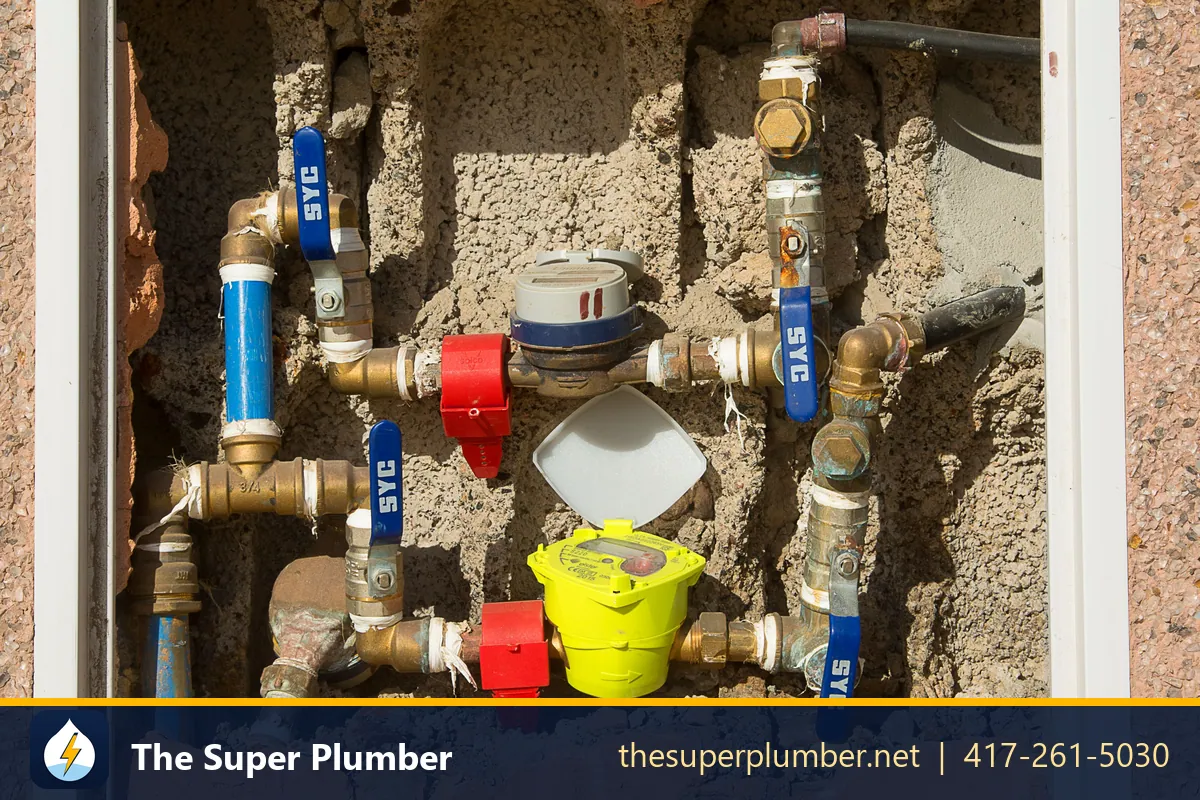
- Fixture or heater type, fuel, and size for in-home repairs.
What to Expect on a Repair Day
A well-run repair day follows a predictable order: confirm the problem, agree on the work, fix it, prove it works, and leave the area tidy.
Diagnosis, Written Scope, and Approval
The plumber starts by confirming the symptom, often with a camera run through the cleanout to see joints, roots, offsets, or a belly. You should then receive a clear scope covering the repair method, what is included, and what could change if conditions differ. A camera inspection gives both of you the same picture before any digging starts.
Repair, Testing, and Cleanup
Work begins with protecting floors and yard areas, then the repair itself: clearing, spot repair, lining, bursting, or replacement of the section. Afterward the plumber should test the result, commonly by running water through the line or re-running the camera, and, where required, arrange the inspection. Cleanup covers debris, excavated soil, and any open trench. When the work involves sewer line replacement, the scope usually names the pipe material and the connection points.
Tacoma ZIP Codes and Nearby Cities for Sewer and Plumbing Repair
Tacoma uses many ZIP codes, and mailing boundaries do not always match neighborhood lines. Give the exact street and ZIP when you call so the phone team can confirm coverage for the address, not just the general area.
Stadium District, North Slope, and Proctor District Area ZIP Codes
Areas such as the Stadium District, North Slope, and Proctor District are generally served through these ZIPs, though boundaries and mailing addresses overlap, so give the exact street:
- ZIP 98402 (Stadium District, about 1 mile from Tacoma Art Museum)
- ZIP 98403 (Stadium District, about 1 mile from Stadium Bowl)
- ZIP 98405 (North Slope, about 1 mile from University of Puget Sound)
- ZIP 98406 (Proctor District, about 1 mile from University of Puget Sound)
- ZIP 98407 (Proctor District, about 2 miles from University of Puget Sound)
- ZIP 98413 (Stadium District, about 1 mile from Tacoma Art Museum)
- ZIP 98415 (Stadium District, about 1 mile from Tacoma Art Museum)
- ZIP 98416 (Proctor District, about 1 mile from University of Puget Sound)
Other Tacoma ZIP Codes
More Tacoma addresses use ZIP 98404 (about 5.9 miles from McChord Field), ZIP 98408 (about 5 miles from McChord Field), ZIP 98409 (about 4.6 miles from McChord Field), ZIP 98418 (about 6.1 miles from McChord Field), ZIP 98421 (about 2 miles from Tacoma Dome), and ZIP 98422 (about 2 miles from Browns Point Light). A sewer line problem in any of them starts with the same three details.
Independent Nearby Cities: University Place, Lakewood, Fife, Puyallup, Federal Way, Spanaway, Steilacoom, Gig Harbor, and Milton
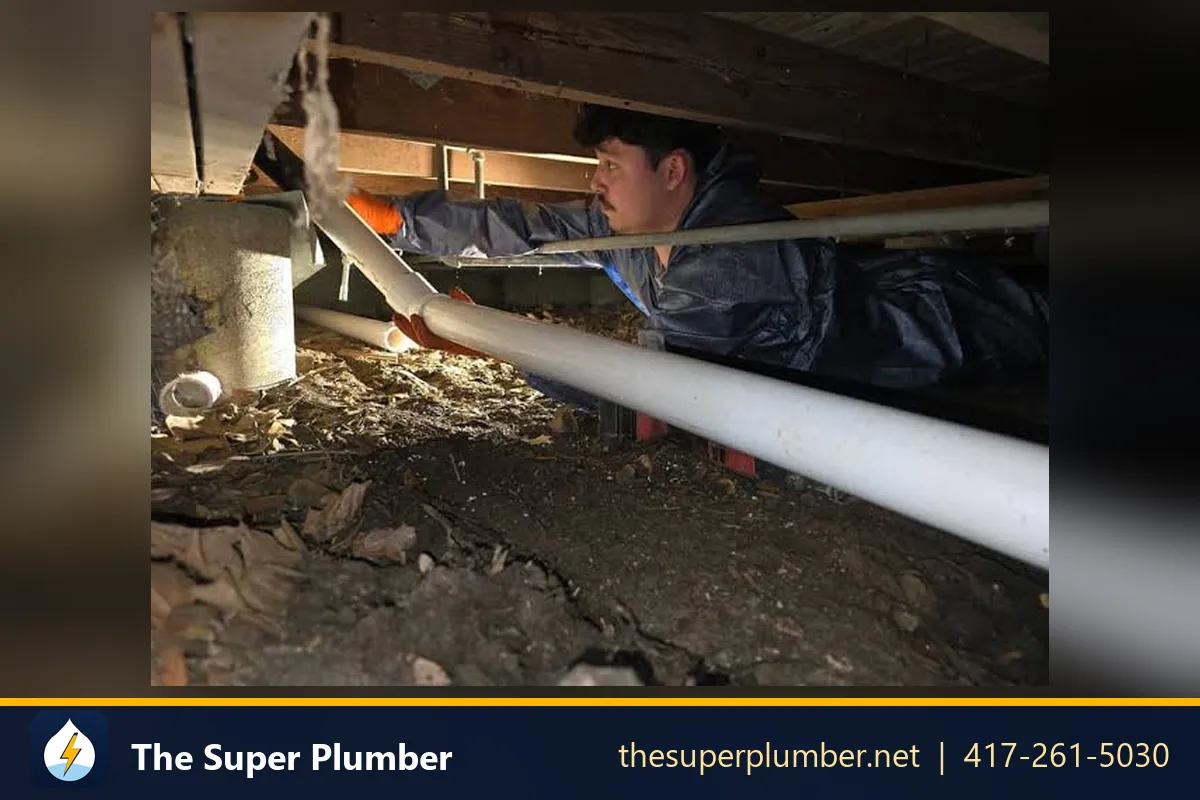
These are independent cities, not Tacoma neighborhoods. Examples: University Place ZIP 98467 (about 6.1 miles from Joint Base Lewis-McChord), Lakewood ZIP 98439 (about 2.7 miles from Joint Base Lewis-McChord), Fife ZIP 98424 (about 3 miles from Tacoma Dome), Puyallup ZIP 98371 (about 3 miles from Surprise Lake), Federal Way ZIP 98003 (about 5 miles from Highline College), Spanaway ZIP 98387 (about 5.9 miles from McChord Field), Steilacoom ZIP 98388 (about 4 miles from Joint Base Lewis-McChord), Gig Harbor ZIP 98335 (about 4 miles from Point Defiance Zoo & Aquarium), and Milton ZIP 98354 (about 1 mile from Surprise Lake). Call 417-261-5030 and name your city and ZIP.
Call First: Sewer Repair in Tacoma
Reading helps, but a sewer problem is easier to sort out on the phone. When you call 417-261-5030, availability, pricing, and response time are confirmed for your address.
Have three things ready:
- Tacoma plus your street address and ZIP.
- The symptom: which drains back up, any smells or wet spots, and whether it is getting worse.
- What you know: cleanout location, house age, past sewer work, shutoff status, or the fuel type of your heater.
If sewage is backing into the house, read the emergency plumbing basics first. To understand how estimates are built, see what drives plumbing prices, and for coverage elsewhere in the state, visit Washington service areas.
If you are looking for a plumber in Tacoma because of a wet floor you cannot explain, say so on the call: a hidden leak under a slab may point to slab leak repair, and a drop in pressure may point to water line repair between the meter and the house.
Hot water problems have their own page for water heater repair in Tacoma, with tank, tankless and leak details.
Callers south of Tacoma can read how the same sewer and drain problems are handled in sewer line repair in Auburn, WA.
ZIP Codes We Serve in Tacoma, WA
Tacoma coverage includes 26 ZIP codes. Look up yours in the table.
| ZIP code | Area | Nearby landmarks | County |
|---|---|---|---|
| 98402 | Stadium District | ▸ Near Tacoma Art Museum ▸ Near University of Washington Tacoma ▸ Near Museum of Glass | Pierce |
| 98403 | Stadium District | ▸ Near Stadium Bowl ▸ About 1.2 miles from University of Puget Sound ▸ About 1.2 miles from Baker Stadium | Pierce |
| 98404 | Tacoma area | ▸ About 1.9 miles from Tacoma Dome ▸ About 2.6 miles from Museum of Glass ▸ About 6 miles from McChord Field | Pierce |
| 98405 | North Slope | ▸ About 1.2 miles from Baker Stadium ▸ About 1.3 miles from University of Washington Tacoma ▸ About 1.3 miles from University of Puget Sound | Pierce |
| 98406 | Proctor District | ▸ Near University of Puget Sound ▸ Near Baker Stadium ▸ About 2.4 miles from Stadium Bowl | Pierce |
| 98407 | Proctor District | ▸ About 1.7 miles from University of Puget Sound ▸ About 1.7 miles from Point Defiance Zoo & Aquarium ▸ About 1.8 miles from Baker Stadium | Pierce |
| 98408 | Tacoma area | ▸ About 2.2 miles from Tacoma Dome ▸ About 2.6 miles from University of Washington Tacoma ▸ About 5 miles from McChord Field | Pierce |
| 98409 | Tacoma area | ▸ About 3.5 miles from Tacoma Dome ▸ About 4.1 miles from University of Puget Sound ▸ About 4.6 miles from McChord Field | Pierce |
| 98413 | Stadium District | ▸ Near Tacoma Art Museum ▸ Near University of Washington Tacoma ▸ Near Museum of Glass | Pierce |
| 98415 | Stadium District | ▸ Near Tacoma Art Museum ▸ Near University of Washington Tacoma ▸ Near Museum of Glass | Pierce |
| 98416 | Proctor District | ▸ Near University of Puget Sound ▸ Near Baker Stadium ▸ About 1.6 miles from Stadium Bowl | Pierce |
| 98418 | Tacoma area | ▸ About 1.3 miles from Tacoma Dome ▸ About 1.5 miles from University of Washington Tacoma ▸ About 6 miles from McChord Field | Pierce |
| 98421 | Tacoma area | ▸ About 2.1 miles from Museum of Glass ▸ About 2.1 miles from Tacoma Art Museum ▸ About 2.4 miles from Tacoma Dome | Pierce |
| 98422 | Tacoma area | ▸ About 2.3 miles from Browns Point Light ▸ About 3.1 miles from Stadium Bowl ▸ About 4.5 miles from University of Puget Sound | Pierce |
| 98443 | Tacoma area | ▸ About 3.4 miles from Tacoma Dome ▸ About 4 miles from Museum of Glass ▸ About 7 miles from McChord Field | Pierce |
| 98444 | Tacoma area | ▸ Near Pacific Lutheran University ▸ About 1.1 miles from McChord Field ▸ About 6 miles from Joint Base Lewis-McChord | Pierce |
| 98445 | Tacoma area | ▸ About 1.9 miles from Pacific Lutheran University ▸ About 3.2 miles from McChord Field ▸ About 7 miles from Joint Base Lewis-McChord | Pierce |
| 98446 | Tacoma area | ▸ About 3.4 miles from Pacific Lutheran University ▸ About 4.9 miles from McChord Field ▸ About 9 miles from Joint Base Lewis-McChord | Pierce |
| 98447 | Tacoma area | ▸ Near Pacific Lutheran University ▸ About 1.6 miles from McChord Field ▸ About 6 miles from Joint Base Lewis-McChord | Pierce |
| 98448 | Tacoma area | ▸ About 3.4 miles from Tacoma Dome ▸ About 3.9 miles from University of Puget Sound ▸ About 4.7 miles from McChord Field | Pierce |
| 98464 | Stadium District | ▸ Near Tacoma Art Museum ▸ Near University of Washington Tacoma ▸ Near Museum of Glass | Pierce |
| 98465 | Tacoma area | ▸ About 2.3 miles from Baker Stadium ▸ About 2.3 miles from University of Puget Sound ▸ About 3.9 miles from Point Defiance Zoo & Aquarium | Pierce |
| 98466 | Tacoma area | ▸ About 2.4 miles from Chambers Bay Golf Course ▸ About 3.6 miles from University of Puget Sound ▸ About 7 miles from McChord Field | Pierce |
| 98471 | Stadium District | ▸ Near Tacoma Art Museum ▸ Near University of Washington Tacoma ▸ Near Museum of Glass | Pierce |
| 98481 | Stadium District | ▸ Near Tacoma Art Museum ▸ Near University of Washington Tacoma ▸ Near Museum of Glass | Pierce |
| 98490 | Tacoma area | ▸ About 3.4 miles from Tacoma Dome ▸ About 3.9 miles from University of Puget Sound ▸ About 4.7 miles from McChord Field | Pierce |
Nearby Tacoma-Area Cities and ZIP Codes
The same phone line also takes calls for 9 nearby cities with 22 more ZIP codes. Tell the phone team the city and ZIP and coverage is confirmed for your address.
| City | ZIP codes and places |
|---|---|
| University Place | 98467 near Chambers Bay Golf Course; about 1.7 miles from Fort Steilacoom |
| Lakewood | 98439 about 1.7 miles from McChord Field; about 2.5 miles from American Lake 98496 about 2.5 miles from McChord Field; about 2.7 miles from Fort Steilacoom 98497 about 2.2 miles from Fort Steilacoom; about 3.1 miles from McChord Field 98498 about 1.6 miles from Fort Steilacoom; about 2.1 miles from American Lake 98499 about 2.4 miles from McChord Field; about 3 miles from Fort Steilacoom |
| Fife | 98424 about 2.9 miles from Surprise Lake; about 3.2 miles from Tacoma Dome |
| Puyallup | 98371 about 3.3 miles from Surprise Lake; about 6 miles from Tacoma Dome 98372 about 3.2 miles from Surprise Lake; about 4.9 miles from Lake Tapps 98373 about 6 miles from Pacific Lutheran University; about 7 miles from McChord Field 98374 about 7 miles from Surprise Lake; about 8 miles from Lake Tapps 98375 about 6 miles from Pacific Lutheran University; about 8 miles from McChord Field |
| Federal Way | 98003 about 4.7 miles from Highline College; about 5 miles from Surprise Lake 98023 about 3.9 miles from Browns Point Light; about 6 miles from Tacoma Dome 98063 about 4.6 miles from Highline College; about 5 miles from Surprise Lake 98093 about 1.6 miles from Pacific Raceways; about 1.9 miles from Norman Grier Field |
| Spanaway | 98387 about 5 miles from Pacific Lutheran University; about 6 miles from McChord Field |
| Steilacoom | 98388 about 1.3 miles from Fort Steilacoom; about 2.2 miles from Chambers Bay Golf Course |
| Gig Harbor | 98329 about 10 miles from Point Defiance Zoo & Aquarium; about 13 miles from University of Puget Sound 98332 about 5 miles from Point Defiance Zoo & Aquarium; about 8 miles from Browns Point Light 98335 about 4.1 miles from Point Defiance Zoo & Aquarium; about 6 miles from University of Puget Sound |
| Milton | 98354 near Surprise Lake; about 5 miles from Tacoma Dome |
Other Washington Cities and ZIP Codes We Serve
Calls are also taken for other Washington cities, 25 in all. Every city is covered in plumbing services across Washington.
| City | ZIP codes and places |
|---|---|
| Dupont | 98327 about 2.6 miles from Fort Lewis; about 3.4 miles from Joint Base Lewis-McChord |
| Graham | 98338 about 8 miles from Northwest Trek Wildlife Park; about 12 miles from McChord Field |
| Bonney Lake | 98391 about 7 miles from Lake Tapps; about 10 miles from Surprise Lake |
| Camp Murray | 98430 about 13 miles from Lake Tapps; about 22 miles from Mount Rainier |
| Mcchord Afb | 98438 about 2 miles from University of Washington Tacoma; about 2.1 miles from Tacoma Dome |
| Roy | 98580 about 9 miles from Northwest Trek Wildlife Park; about 11 miles from Fort Lewis |
| West Richland | 99353 about 3.3 miles from Richland Airport; about 5 miles from Washington State University Tri-Cities |
| Kent | 98030 about 1.4 miles from accesso ShoWare Center; about 4.2 miles from Highline College 98031 about 2.2 miles from accesso ShoWare Center; about 5 miles from Highline College 98032 about 1.1 miles from Highline College; about 2.2 miles from accesso ShoWare Center |
Frequently Asked Questions
How is repair pricing confirmed?
Pricing is confirmed by phone after you describe the problem, because the same symptom can come from a simple clog or a damaged pipe. A camera inspection or on-site look often firms up the scope before work is approved.
What are the signs of a broken sewer line?
Common signs include several drains backing up at once, gurgling toilets, sewage odors indoors or in the yard, soggy patches over the line, and recurring clogs that cleaning does not stop. A camera inspection confirms whether the cause is roots, an offset joint, a belly, or a collapse.
What is a side sewer?
In Tacoma and much of Washington, the side sewer is the private line running from the house toward the public main. The owner is often responsible for the private portion. Confirm with the City of Tacoma which part you own and what permit applies before any digging begins.
How do trenchless lining, pipe bursting, and digging differ?
Lining installs a resin-saturated liner inside the existing pipe. Pipe bursting pulls a new pipe through the old path while breaking the old one apart. Open trench exposes and replaces the pipe directly. The right choice depends on the pipe condition, depth, access, and whether the line has collapsed or sagged badly.
Is cleaning enough, or do I need repair?
Cleaning clears a blockage but does not fix a cracked joint, root intrusion point, or belly. If clogs return soon after cleaning, the pipe itself is probably damaged. A camera inspection shows whether cleaning will hold or whether a spot repair, lining, or replacement is the better route.
Do I need a permit, and who should I call first?
Side sewer work commonly requires a permit and inspection, but rules vary by project. Confirm with the City of Tacoma what applies to your address. In practice, call a plumber first to diagnose the problem, then ask who pulls the permit and schedules the inspection before approving the scope.
What should I do first during a sewer backup?
Stop using water, keep people and pets away from affected areas, and avoid touching sewage. Do not pour chemical drain cleaners into the line, then phone a plumber with your address and symptoms. For sewer repair Tacoma WA callers, describing which drains are affected helps most.
How can I tell a slow drain from a sewer problem?
A slow drain at one sink or tub usually points to a local clog in that branch. If a toilet gurgles when you run the washer, or multiple fixtures slow down together, the main sewer line is the likelier culprit.
Should I repair or replace my water heater?
Repair usually makes sense for a failed thermostat, element, igniter, or valve on a heater in good condition. Replacement is worth considering when the tank is leaking, repairs keep recurring, or heavy sediment and corrosion are present. Share the age, fuel type, and symptoms by phone so a plumber can advise.
What should I do about a frozen pipe?
When a freeze comes, shut off the water at the main if you can reach it, open the affected faucet, and avoid open flames or torches on the pipe. Thaw only with gentle warmth. If the pipe has split or you cannot find the frozen section, phone a plumber.
Can I ask about licensing and insurance?
Yes. Ask about licensing, insurance, and permit handling when you call, and have them confirmed before work starts. Those details are confirmed by phone for your project, along with availability and pricing,.
Which ZIP codes and nearby cities are covered?
Coverage is confirmed by address. Tacoma ZIPs such as ZIP 98402 (Stadium District, about 1 mile from Tacoma Art Museum) and ZIP 98405 (North Slope, about 1 mile from University of Puget Sound) are common starting points, and nearby independent cities include University Place, Lakewood, Fife, Puyallup, Federal Way, Spanaway, Steilacoom, Gig Harbor, and Milton. Give your street and ZIP when you phone.
Ready to talk to a plumber? Call 417-261-5030.
Call 417-261-5030