Quick links
- Plumbing in Jersey City, NJ at a Glance
- Emergency Plumber in Jersey City, NJ: What Cannot Wait
- Older Jersey City Buildings: Why Plumbing Problems Spread
- Cast Iron, Galvanized, Lead, and Copper: Aging Pipe in Jersey City
- Drain Cleaning in Jersey City, NJ: Sinks, Tubs, Floor Drains, and Main Lines
- Hydro Jetting in Jersey City, NJ
- Sump Pumps, Sewage Pumps, and Basement Water
- Sewer Line Repair in Jersey City, NJ: Diagnosis, Spot Repair, and Replacement
- Trenchless Sewer Repair and Pipe Lining in Jersey City, NJ
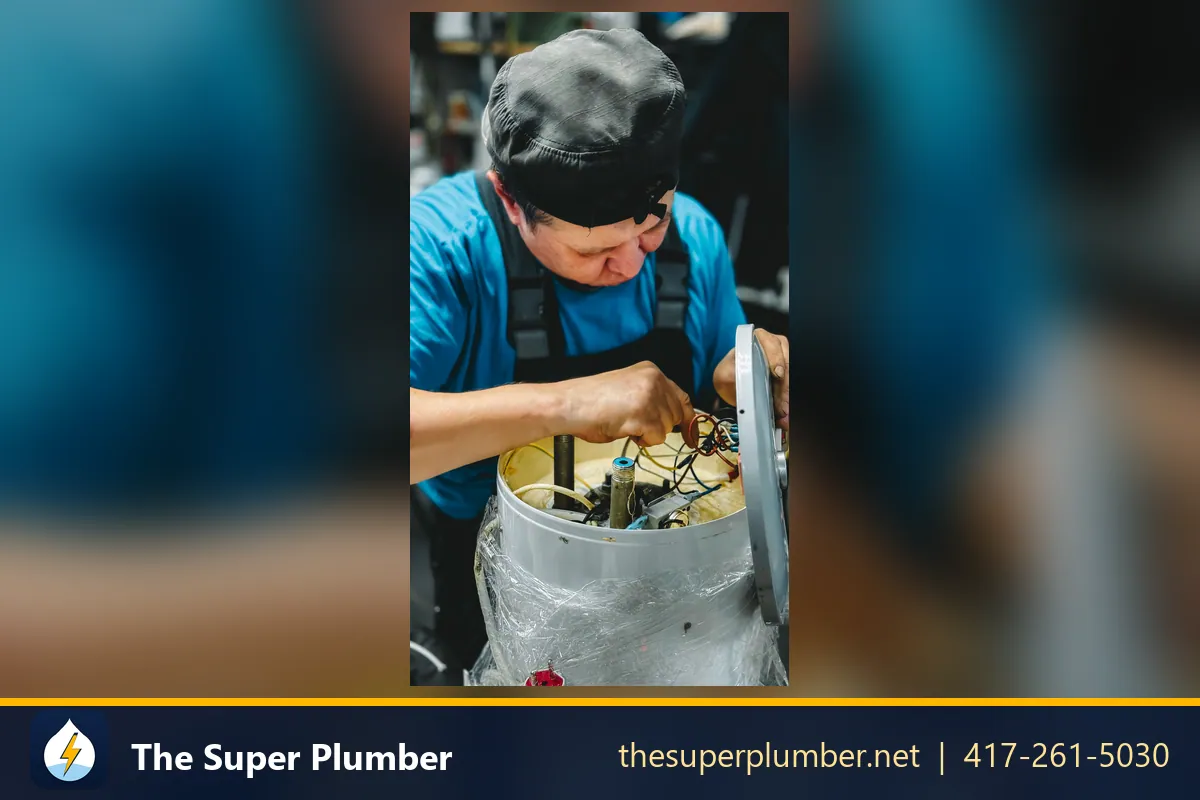
- Water Heater Repair and Installation in Jersey City, NJ
- Leak Detection and Water Line Repair in Jersey City, NJ
- Burst Pipe, Frozen Pipe, and Pipe Repair in Jersey City
- Gas Line Repair and Gas Appliance Connections in Jersey City
- Toilet, Faucet, Shower, and Garbage Disposal Repair in Jersey City
- Commercial and Multi-Family Plumbing in Jersey City
- What Is and Is Not Plumbing: Water Damage, Mold, Oil Tanks, and Electrical
- What Affects Plumbing Repair Cost in Jersey City
- What to Expect on a Plumbing Visit
- Jersey City ZIP Codes and Neighborhood Boundaries
- Call First: Plumber in Jersey City, NJ
- ZIP Codes We Serve in Jersey City
- Related Plumbing Help
- Frequently Asked Questions
Finding a plumber in Jersey City matters most when water, sewage, or gas is involved. This covers Jersey City's ZIP codes: emergency plumbing, drain cleaning, sewer lines, water heaters, leaks, pipes, gas lines, and commercial work. To talk to someone about your address, call 417-261-5030. This is background reading only; availability and pricing are confirmed by phone.
What follows explains what a plumber in Jersey City handles, what to say on the call, how to choose a plumber, which problems cannot wait, and what to do in the first minutes of an emergency. Later sections go deeper on older buildings, drains, sewers, water heaters, leaks, pipes, gas, fixtures, and commercial plumbing.
Plumbing in Jersey City, NJ at a Glance
Plumbing in Jersey City covers everything that moves water, waste, or gas through a building. Dense, older housing, shared drain stacks, basements, and cold winters shape most of the problems a plumber sees in the city.
What a Plumber in Jersey City Handles
A plumber in Jersey City handles the supply, drain, and gas systems inside a building and the pipes just outside it. That includes sewer line repair and replacement, camera inspections, trenchless lining, drain cleaning, hydro jetting, and sewer backups.
The work also covers tank and tankless water heaters, leak detection, water line repair, burst and frozen pipes, repiping, gas lines, toilets, faucets, disposals, sump and sewage pumps, backflow devices, and restaurant plumbing. Work that belongs to other trades is a different job; ask the phone team what can be routed. For the full range, see plumbing services.
What to Tell the Phone Team When You Call
Three details help most when you call. First, say Jersey City, the street address, and the ZIP code. Second, describe what is happening: where the water is, which drains are slow, which unit or floor is affected, or what the fixture or heater is doing.
Third, share what you know: the age of the building, where the main shutoff is, whether the heater runs on gas or electricity, and whether you have photos. Those three items let the phone team understand the situation and explain next steps, including what availability and pricing look like for your address.
How to Choose a Plumber in Jersey City: Questions to Ask
The right plumber in Jersey City is one who answers your questions clearly before any work starts. No list can rank plumbers fairly, and online ratings are only a starting point.
Ask these questions on the phone:
- Are licensing and insurance in place, and can they be confirmed in writing?
- Is availability for your address confirmed before you commit?
- Will you get a written scope that explains the repair method and what could change it?
- Are permits handled where the City of Jersey City requires them? Confirm this with the plumber.
- What happens if the inspection finds something different from the original complaint?
Licensing, insurance, and availability are confirmed by phone, not assumed from any article.
Which Problems Need a Plumber Right Away
A problem needs a plumber right away when it is getting worse, damaging the building, or creating a safety risk. Waiting rarely makes plumbing simpler, and in a shared building the damage can reach other units.
Signs that call for fast attention:
- Water running through a ceiling, wall, or floor
- Sewage or gray water coming up from a drain
- A water heater leaking or discharging from its relief valve
- No water at all, or no hot water in cold weather
- Any gas smell, which means leaving the building first
A slow drain, a dripping faucet, or a running toilet is usually less urgent, but it still deserves a repair before it becomes a flood. For help weighing a problem, see plumbing repair.
Emergency Plumber in Jersey City, NJ: What Cannot Wait
People search for an emergency plumber or a 24 hour plumber when a pipe, drain, or gas problem will not wait. Availability for your address is confirmed when you phone, so start by making the situation safer.
Burst Pipe or Active Leak
A burst pipe or active leak in a Jersey City home is stopped first by closing the nearest shutoff valve, then the main if the leak continues. Water that keeps flowing can soak floors and reach the units below.
While you wait for a plumber:
- Close the fixture shutoff or the main water valve.
- Open a faucet at the lowest point to drain the line.
- Move belongings away from the water and photograph the damage.
- Keep clear of any wet outlet or ceiling that is sagging.
For more on the repair itself, see burst pipe repair.
Sewage Backup in Drains, Tubs, or Floor Drains
A sewage backup means wastewater is rising from a drain because the line downstream is blocked or damaged. When several fixtures gurgle or back up together, the main line or a shared stack is the likely problem.
Stop using sinks, showers, toilets, and the washing machine, since every flush adds to the overflow. Keep children and pets away from the water, and do not pour chemical drain cleaner into a backed-up line. A plumber can clear and inspect it; see sewer line cleaning for how that works.
No Hot Water, a Leaking Water Heater, or a Relief Valve Discharge
A leaking water heater or a discharging relief valve needs prompt attention, while a plain lack of hot water is usually less urgent. Pooling water around a tank can mean a failed tank, a loose fitting, or a valve doing its job.
Safe steps for a leaking tank heater:
- Close the cold water supply valve on top of the heater.
- Turn off the gas control or the electric breaker to the unit if you can reach it safely.
- Leave sealed parts, venting, and wiring to a plumber.
A tank that is leaking from its body usually needs replacement. See water heater repair and service for the options.
Gas Smell or Suspected Gas Leak: Leave First
If you smell gas in a Jersey City building, leave immediately. Do not flip switches, use a phone inside, light a flame, or try to find the leak yourself.
Once you are outside and away from the building, call the gas utility or 911. A plumber handles gas piping and appliance connections afterward, but only after the building is declared safe. Gas lines, venting, and combustion parts are plumber-only work. For background on detection, see gas leak detection.
How to Shut Off the Water in a House or Multi-Unit Building
The main water shutoff in a Jersey City house is commonly found where the water service enters the building, often in a basement or utility area near the meter. Turn the valve clockwise until it stops.
In a multi-unit building, look for a shutoff under the sink, behind the toilet, or at a riser valve in a utility closet or basement. Some shared risers can only be closed by the building owner or manager, so tell them right away. Test by opening a faucet; water should stop within a minute. Learn the location before an emergency, since a stuck or buried valve is a repair in itself; see water main repair.
What Information Speeds Up an Emergency Call
The more specific your description, the faster the phone team can understand an emergency in Jersey City. Have these ready:
- The street address and ZIP code
- What is happening, and which unit or floor
- Whether the water is off, and where the shutoff is
- The building's age and pipe type, if known
- Fuel type for a heater, and any photos
Remember that availability, response time, and pricing are confirmed by phone, not promised in advance. When you are ready, call 417-261-5030 and read off those details. For more on emergency requests, see emergency plumbing.
Ready to get a quote? Availability and pricing are confirmed by phone.
Call 417-261-5030Older Jersey City Buildings: Why Plumbing Problems Spread
Much of Jersey City's housing is dense and older, so one failing pipe often affects several apartments, floors, or neighbors. Knowing how the building is plumbed explains why a small leak or clog can become a bigger problem.
Two- and Three-Family Houses and Shared Stacks
In a two- or three-family house in Jersey City, the apartments commonly share one vertical drain stack and one building sewer, so a clog in either one can back up the lowest unit first. Basement and first-floor fixtures usually show trouble before upper floors do.
When a ground-floor tub gurgles while the units above run water, suspect a shared stack or main line rather than a single fixture. Tell every occupant to stop running water until a plumber has looked at the line. A camera inspection is the usual way to confirm where the restriction sits.
Rowhouses, Walk-Ups, and High-Rise Towers
Rowhouses and walk-ups in Jersey City often have narrow chases, long horizontal drain runs, and pipe that has been patched or rerouted over decades of renovations. High-rise towers add tall risers, shared hot water loops, and pressure zones that behave differently from a house.
In taller buildings a plumber thinks in terms of risers and zones: which floors are affected, whether the problem follows a shutoff valve, and whether pressure changes with the booster pump cycle. Booster pump electrical or controls work is a different trade, so ask the phone team what can be routed.
Basement Mains, Meters, and Tight Access
In many Jersey City buildings the water main, meter, main shutoff, and the lowest drain lines sit in a basement or cellar with limited headroom and stored belongings in the way. A plumber can only work quickly when the access is clear.
Before a visit, clear a path to the meter and shutoff, note where the main drain exits the building, and photograph any pipe that is wet or corroded. Tight access affects the repair method and the time required, which is one reason scope and cost are confirmed by phone after the problem is described. See plumbing repair for the common repair categories.
Renters, Landlords, and Building Owners: Who Calls
Who authorizes plumbing work in Jersey City depends on the lease, the building type, and local rules, so a renter should report the problem to the building owner or manager first. A renter can still describe the symptom clearly and keep photos.
Owners and managers usually decide on repairs that touch shared pipe, stacks, and water heaters. A renter facing active flooding can shut off the fixture valve or the unit shutoff if one exists, then notify the owner right away. Confirm responsibilities with the City of Jersey City and your lease; a plumber can describe the plumbing condition but does not settle the lease question.
Ceiling Leaks and Water Moving Between Units
A ceiling leak in a Jersey City apartment often starts in the unit above, at a supply line, a drain connection, a tub overflow, or a shared riser. Water travels along joists and pipe penetrations, so the stain is rarely directly below the source.
Stop the water you can control, move belongings away, and ask neighbors above to stop using nearby fixtures. A plumber traces the leak back through moisture patterns and pressure checks. Drying, drywall, and ceiling repair are other trades, so ask about leak detection and what the phone team can route. If you need help finding the source, call 417-261-5030 with your street, ZIP, and which floor is wet.
Cast Iron, Galvanized, Lead, and Copper: Aging Pipe in Jersey City
Older Jersey City buildings often contain several pipe materials from different eras, and each fails in its own way. Matching the symptom to the material helps decide between a spot repair and a larger replacement.
Cast Iron Drain and Stack Failure
Cast iron drain pipe in older Jersey City buildings commonly corrodes from the inside, forming rough scale that catches paper and grease and eventually cracks or leaks at hubs. Slow drains in several fixtures, sewer odor, and stains around a stack are common signs.
A camera inspection shows pitting, cracked sections, and failed joints. Short damaged sections can sometimes be replaced with modern pipe and couplings, while widespread deterioration points toward replacing the run. See sewer camera inspection for how the pipe is evaluated.
Galvanized Supply Pipe and Low Pressure
Galvanized steel supply pipe corrodes inside, narrowing the passage until pressure and flow drop, especially at upper floors. Brown or rusty water when the tap first opens is another common sign.
Because the narrowing happens along the whole pipe, clearing one fixture rarely helps. A plumber checks pressure at several fixtures and looks at fittings and where galvanized meets copper. Replacement is often the lasting answer, and the extent depends on how much of the building still has this pipe.
Lead Pipe, Tap Water, and Water Service Line Questions
Some older homes may have lead in the water service line or in old solder and fixtures, but only testing and records can say whether a particular building does. A plumber cannot tell by taste or smell.
Ask the City of Jersey City about service line records for your address, and test the water through a qualified lab if you are concerned. A plumber can identify visible pipe material, locate the shutoff, and discuss replacing a service line. Read about water main repair when the line from the street needs work.
Copper Pinhole Leaks
Copper pinhole leaks are tiny failures in the pipe wall that spray or weep, often leaving green or white crust and damp spots in basements, walls, or ceilings. They tend to appear in several places over time.
A single repair may hold, but repeated pinholes suggest the pipe is wearing from water chemistry, velocity, or age. A plumber may recommend repairing the spot now and planning replacement of the affected run. Active leaks can wait for no one, so close the nearest shutoff and photograph the damage.
Pipe Descaling: What It Can and Cannot Do
Pipe descaling is a cleaning or chemical process that removes mineral and rust buildup from inside a pipe, and it helps only when the pipe wall is still sound. It cannot restore a pipe that is already thinned, pitted, or leaking.
Ask a plumber whether descaling is realistic for the pipe in your building, since badly corroded galvanized or cast iron often fails after cleaning. It is a question to raise during diagnosis, with a camera or pressure test, before anyone commits to it.
Whole-House Repiping in Older Buildings
Whole-house repiping replaces aging supply pipe, and sometimes drain pipe, with copper, PEX, or PVC where code allows, typically done in phases so a household can keep using water. The right material depends on the building and the job.
Plan for wall openings, shutoff periods, and permits, which commonly apply and should be confirmed with the City of Jersey City and your plumber. Tell the phone team the age of the building, the pipe material you can see, and where leaks started. For gas, hot water, and cost context, see water heater installation.
Drain Cleaning in Jersey City, NJ: Sinks, Tubs, Floor Drains, and Main Lines
Where a clog sits decides how it is cleared. A single slow fixture points to its own trap or branch line, while several fixtures backing up together point to the main drain or a shared stack in the building.
Kitchen Sink and Garbage Disposal Drain Clogs
A kitchen sink clog in a Jersey City home is most often a buildup of grease, food scraps, and soap film inside the trap or the horizontal branch behind the cabinet. Grease cools and hardens in older cast iron and galvanized branches, which narrows the pipe a little more each week.
If a disposal hums but will not turn, turn it off and leave it alone. Reaching inside is unsafe. A plumber can clear the line and check the disposal; see the garbage disposal repair details for jams and leaks.
Bathroom Sink, Tub, and Shower Drain Clogs
Bathroom drains usually clog from hair, soap scum, and toothpaste residue that catch on the stopper or in the trap. A slow tub is often a hair mat just below the strainer, and it can be pulled out with a plastic drain tool.
Skip caustic drain chemicals. They can sit in a standing-water line, damage old fittings, and splash on whoever opens the trap next.
- Remove the stopper and clean it first.
- Try a plunger with the overflow plugged.
- If water drains slowly again within days, the clog is deeper and needs a plumber.
Main Drain Blockages and Several Fixtures Backing Up
When a toilet gurgles, the tub rises, and the basement floor drain bubbles after a sink drains, the main drain is the likely suspect. That line carries every fixture's waste to the building sewer, so one blockage affects the whole building.
Stop running water, because every flush and load of laundry pushes more waste toward the weak point. Warning signs include gurgling in unrelated fixtures and water backing up at the lowest drain first. A plumber locates the blockage with a cable machine or a camera and clears it, and may recommend drain cleaning of the full run.
Shared Stack Clogs in Multi-Unit Buildings
A shared stack is a vertical drain pipe that serves fixtures on several floors, and a clog in it shows up first in the lowest unit. In two- and three-family houses and older walk-ups, the ground floor or basement often takes the backup.
If you rent, tell the building owner or manager right away, because the stack is shared and a plumber needs access to more than one unit. Tell the phone team which floors are affected and which fixtures gurgle.
Drain Snaking Versus Hydro Jetting
Snaking uses a rotating cable to break through or hook a clog, while hydro jetting uses high-pressure water to scour the pipe wall. Snaking is quick and well suited to a single blockage in a sink or tub line.
Jetting is chosen when the pipe is coated with grease, scale, or fine roots that a cable only punches through. A cable can leave a small channel that closes up again. The two methods are often used in sequence, and a plumber decides based on what the camera and the pipe material show.
Recurring Clogs and Drain Repair
A drain that clogs again within weeks has a cause beyond debris, and clearing it repeatedly only hides the problem. Common causes include a sagging section of pipe that holds water, a cracked or collapsed clay or cast iron section, roots entering a joint, or heavy scale inside the pipe wall.
A camera inspection shows which one it is. Repair can mean replacing a short section, relining, or adjusting a pitch problem. Ask the phone team about plumbing repair when the same drain keeps returning.
Floor Drains and Basement Drains
A basement floor drain is a trapped opening that carries wash water and, in many buildings, ties into the main drain. When it backs up or smells like sewer, the trap seal may have dried out or the line may be blocked.
Pouring water into a rarely used drain refills the trap seal and often stops odors. If water or sewage rises out of the drain instead, stop using water and treat it as a main line problem. Give the phone team your street, your ZIP, and whether the water is clear or sewage; call 417-261-5030.
Hydro Jetting in Jersey City, NJ
Hydro jetting clears lines by pushing water through a nozzle at high pressure, which scrubs the pipe wall rather than poking one hole through the blockage. It suits older drains and busy commercial kitchens.
What Hydro Jetting Does and Does Not Fix
Hydro jetting removes grease, soap and mineral buildup, sludge, and many root hairs from the inside of a drain or sewer line. It can restore a pipe's full diameter, which a cable snake often cannot do.
It does not repair a broken, collapsed, or offset pipe, and it should not be used on a fragile line without a look first. A plumber normally runs a camera to confirm the pipe can handle the pressure.
When a Plumber Recommends Hydro Jetting
A plumber commonly recommends hydro jetting when snaking gives only short relief, when a camera shows heavy grease or scale on the pipe wall, or when roots keep regrowing in a sound line.
It is also used as routine maintenance on lines that serve many fixtures. Before jetting, expect questions about pipe material, age, known repairs, and cleanout access.
Commercial Hydro Jetting, Grease, and Restaurant Lines
Restaurant and food-service drains collect fats, oils, and grease, and those solidify downstream of the grease trap or interceptor. Commercial kitchens in Jersey City often need scheduled line cleaning instead of waiting for a backup during service hours.
- Floor sinks and prep sink lines clog first.
- Grease trap maintenance affects how fast downstream lines coat.
- Backups usually show at the lowest fixture or floor drain.
For multi-tenant commercial strips, see commercial plumbing and ask about shared drain lines between tenants.
Water still running or a smell of gas? Act first, then call.
Call 417-261-5030Sump Pumps, Sewage Pumps, and Basement Water
Basements in older Jersey City buildings can take on water from several sources, and the right fix depends on whether the water is groundwater, a plumbing leak, or sewage. Pumps handle the first and third cases.
Sump Pump Repair and Installation
A sump pump collects groundwater in a pit and pushes it out through a discharge line, and when it fails during a storm, the basement can flood. Common faults include a stuck float switch, a clogged intake, a failed check valve, and a motor that has worn out.
Test it by lifting the float or pouring water into the pit, but never put a hand near it while it is plugged in. For repair or a new pit, see sump pump repair. Any electrical wiring is a job for an electrician, so ask the phone team what can be routed.
Sewage Pump and Ejector Pump Problems
A sewage or ejector pump lifts waste from a basement bathroom, laundry, or floor drain up to the main sewer line when the fixture sits below it. Symptoms include a gurgling basin, a bad smell from the lid, an alarm, or slow drainage in the basement bathroom.
Stop using those fixtures when an alarm sounds, since the pit can overflow with sewage. A plumber checks the float, the check valve, and the impeller, and may recommend replacement when the unit is old or clogged with wipes.
Basement and Street-Level Water After Heavy Rain: Plumbing or Drainage?
Water in a Jersey City basement after a heavy storm can come from the outside, such as saturated soil or a surface-water problem, or from plumbing that has been overloaded or backed up. Clear water along a wall after rain usually points to drainage. Water rising at the floor drain or a toilet may mean the sewer is overloaded.
A plumber looks at the sump, floor drain, backwater conditions, and sewer line. Cleanup, drying, and grading are different trades, so ask the phone team what can be routed. When you phone, give the street, the ZIP, whether the water is clear or foul, and where it enters; call 417-261-5030.
Sewer Line Repair in Jersey City, NJ: Diagnosis, Spot Repair, and Replacement
Sewer line repair in Jersey City starts with finding out what is wrong underground. A plumber confirms the cause with a camera, then matches the fix to the pipe, its depth, and the building.
Signs of a Damaged Sewer Line
A damaged sewer line in Jersey City usually shows up as repeated backups, slow drains in several fixtures, gurgling, or a sewage smell indoors or near a basement floor drain. Wet or sunken ground near the building can also point to a broken pipe.
- Drains that clog again soon after being cleared
- Toilets bubbling when a tub or washer drains
- Sewage odor in the basement or yard
- Damp spots, soft ground, or new cracks in a slab or foundation wall
Call 417-261-5030 and describe which fixtures back up and when; that pattern helps a plumber judge whether the problem is a fixture drain or the main line.
Sewer Camera Inspection in Jersey City
A sewer camera inspection in Jersey City sends a small waterproof camera through a cleanout to show the inside of the line. It reveals roots, cracks, offset joints, sags, grease buildup, and collapsed sections, along with how far down the pipe each problem sits.
Plumbers commonly clean the line first so the lens can see the pipe wall. The recording turns guesswork into a plan, and it helps when a repair needs to be explained to a building owner or co-owner. Read more about sewer camera inspection before the visit.
Roots, Heavy Rain, and Older Sewer Systems
Tree roots enter sewer pipes at joints and small cracks, and heavy rain can overload older combined or aging sewer and storm systems, which may slow drains or push water back toward low basements. Both problems are more likely in dense, older parts of town with mature trees.
A root-clogged line can often be cleared with a cutting head, but roots usually return if the opening stays. If backups follow big storms rather than daily use, tell the plumber, because the cause may sit in the public system or in the private pipe.
Cracked, Offset, Bellied, and Collapsed Sewer Pipe
Cracked, offset, bellied, and collapsed sewer pipe are the common structural failures a camera finds in older lines. A crack lets in roots, an offset joint snags paper, a belly holds standing water and solids, and a collapse can block flow almost entirely.
- Cracks and small offsets are sometimes lined or spot repaired
- A belly often means soil settled under the pipe
- A collapse generally needs a dig or a pipe bursting method
Older clay, cast iron, and fiber-style pipe fail differently, so the material seen on camera matters as much as the defect.
Sewer Cleaning Versus Sewer Line Repair
Sewer line cleaning removes what is inside the pipe, while sewer line repair fixes the pipe itself. Cleaning with a cable or hydro jetting restores flow when the cause is grease, paper, or roots, but it cannot close a crack or flatten a belly.
A good rule: if backups return within weeks after cleaning, the pipe is probably damaged. That is the point where a camera inspection pays off. Learn how sewer line cleaning fits into the decision before approving a larger repair.
Spot Repair or Full Sewer Line Replacement
A spot repair replaces one failed section, while full sewer line replacement renews the run from the building to the connection point. A single crack or short collapse in an otherwise sound pipe often suits a spot repair.
Replacement is usually the better path when the camera shows damage in several places, widespread root intrusion, or pipe material known to fail. A plumber weighs depth, access, and the condition of the rest of the pipe. See the overview of sewer line replacement for how the options compare, and ask for the scope in writing.
Private Lateral, Public Main, and Permits
The private sewer lateral is the pipe that runs from a building toward the public main, and the owner is commonly responsible for the private portion. Where private ends and public begins varies, so confirm it with the City of Jersey City.
Sewer repair and replacement commonly need a permit, and work in a sidewalk or street may need extra approvals. Ask the plumber what applies to the address. For a broader view, see the main sewer line overview.
Trenchless Sewer Repair and Pipe Lining in Jersey City, NJ
Trenchless sewer repair fixes a damaged line with little or no digging. In a dense city with sidewalks, basements, and tight lots, it can reduce disruption, but it only suits some pipes and some defects.
How Cured-in-Place Pipe Lining Works
Cured-in-place pipe lining creates a new pipe inside the old one. A resin-soaked liner is pulled or inflated into the cleaned host pipe, then hardened so it seals cracks and rough joints and resists root entry.
The line must be cleaned and inspected first, and the old pipe needs to hold its shape. Lining slightly reduces the inside diameter but often smooths flow. Many homeowners start with an overview of trenchless pipe repair to see whether their pipe qualifies.
Pipe Bursting: When a New Pipe Follows the Old Path
Pipe bursting pulls a new pipe through the old sewer line while a head breaks the old pipe outward. It works when the old line is too damaged to line but a straight path remains.
It needs an entry pit and an exit point, and it depends on soil conditions and nearby utilities. Bursting can restore full pipe size or even upsize the line. A plumber checks depth, bends, and connections on the camera recording before recommending it.
When Trenchless Is Not the Right Answer
Trenchless is not the right answer when the pipe has collapsed badly, has severe bellies, or has sharp bends that a liner or burst head cannot follow. Heavy offsets and broken connections can also rule it out.
- Standing water in a belly stays under a liner
- Collapsed sections may block the liner or cable
- Buried utilities close to the pipe can limit bursting
Ask the plumber why a method was chosen or rejected, and what the camera showed at each problem spot.
Open-Trench Sewer Replacement on Tight Lots and Sidewalks
Open-trench sewer replacement digs down to the old pipe and installs new pipe in a prepared trench. It remains the most direct fix when the line has collapsed or needs to be re-graded.
On tight lots, rowhouse frontages, and sidewalks, the dig takes planning: access for equipment, protection for the foundation, and permit conditions that vary by location. Confirm with the City of Jersey City and your plumber. When you call 417-261-5030, give the street, ZIP, which fixtures back up, and any camera findings you already have.
Water Heater Repair and Installation in Jersey City, NJ
Water heater work in Jersey City covers tank and tankless units, gas and electric, in houses, walk-ups, and larger buildings. Most problems trace to a handful of parts, and a plumber can usually tell repair from replacement after a short inspection. See the overview of water heater service for the full range.
No Hot Water or Not Enough: Tank Heater Checks
A tank water heater that gives no hot water or runs out quickly usually has a failed heating element, a dead thermostat, a pilot or igniter fault, or a sediment-filled tank. Check that the breaker is on or the gas valve is open, then look for a tripped reset button on an electric unit.
Do not open panels or relight a gas unit with a smell nearby. Sediment buildup, dip tube damage, and a failing thermostat are plumber checks. Tell the phone team the age of the heater, the fuel type, and whether hot water runs out fast or never arrives.
Water Heater Leaking: Source and First Steps
A leaking water heater in Jersey City is most often caused by a corroded tank, a loose fitting, a failing drain valve, or a relief valve discharging because of pressure or heat. A leak from the tank body itself generally means replacement, while a fitting or valve leak is often repairable.
First steps:
- Turn off the power at the breaker, or set a gas unit to pilot or off.
- Close the cold water supply valve on top of the heater.
- Put a bucket or drain pan under the leak and protect the floor.
If the leak is heavy, call 417-261-5030 and give the street, ZIP, and where the water appears.
Gas and Electric Water Heater Problems
Gas water heaters most often fail because of a dirty burner, a weak thermocouple or flame sensor, a blocked vent, or a gas control valve fault. Electric units more often lose a heating element or upper thermostat. Both can fail from mineral scale and an exhausted anode rod.
Gas, venting, and electrical connections are plumber-only. Never block the flue, and leave the building if you smell gas. The phone team can ask what the unit does, such as pilot out, short cycling, or lukewarm water, to help sort the cause.
Tankless Water Heater Repair: Error Codes, Scale, and Flow Faults
Tankless water heater repair usually starts with the error code, because it points toward ignition, venting, flow, sensor, or scale problems. Units from Rinnai, Navien, Noritz, and similar makers store codes in the display or manual, and hard water scale on the heat exchanger is a common cause of cold bursts and overheating.
Fixes may include descaling, cleaning the inlet filter, correcting gas supply or vent issues, or replacing a sensor. Note the code and model before you phone. More detail is in tankless water heater repair.
Tankless Water Heater Installation in Jersey City
Tankless water heater installation in Jersey City generally needs a larger gas line or adequate electrical capacity, proper venting, a condensate drain for high-efficiency units, and room for service access. Switching from a tank often means more than swapping the unit, so a plumber reviews the existing lines first.
Permits commonly apply to water heater and gas work, so confirm with the City of Jersey City and your plumber. Sizing depends on how many fixtures run at once. Compare options such as electric tankless units or a standard water heater installation with the phone team.
Hot Water Tank Replacement: Repair or Replace
Hot water tank replacement makes sense when the tank itself leaks, the unit is old and failing repeatedly, or repair parts would approach the value of a new heater. A young unit with a bad element, thermostat, or valve is usually worth repairing.
What a plumber looks at:
- Age and condition of the tank, anode rod, and fittings
- Rust at the base or corroded connections
- Venting, gas line, and expansion tank condition
- Space, access, and drain pan needs
Read more on water heater replacement. Have the model plate photo ready when you call.
Shared Hot Water in Multi-Unit Buildings
Shared hot water in a multi-unit Jersey City building comes from a central heater or a group of heaters serving several apartments, so one failure can leave many units without hot water. Recirculation lines, mixing valves, and shared risers add more places for faults.
Tenants should tell the building owner or manager, since who authorizes work depends on the lease and local rules, so confirm that. A plumber can then check the central unit, recirculation pump, and valves. Mention which floors lose hot water, and whether it is every fixture or only some.
Not sure what you need? Call and we will point you to the right help.
Call 417-261-5030Leak Detection and Water Line Repair in Jersey City, NJ
Hidden leaks in Jersey City buildings can waste water and damage framing for weeks before stains appear. Finding the source accurately, then repairing the pipe or water line, is what a plumber does. Start with the overview of leak repair.
Signs of a Hidden Water Leak
Signs of a hidden water leak include a rising water bill with no change in use, a meter that moves when every fixture is off, damp or warped walls, musty odors, stained ceilings, and the sound of running water in quiet rooms.
Quick home check:
- Turn off every fixture and appliance, then watch the meter or leak indicator.
- Look under sinks, behind toilets, and around the water heater.
- Note where stains or damp spots appear and when they grow.
Photos and a timeline help the phone team plan the visit.
Leak Detection Methods
Leak detection methods used by plumbers include pressure testing, acoustic listening, thermal imaging, moisture meters, and camera inspection, often combined to reduce unnecessary wall or floor opening. Which method fits depends on pipe material, access, and whether the line is supply or drain.
Each method narrows the search area before any cutting. In dense older buildings, tracing which unit the water comes from is part of the work. Learn more about leak detection and what a plumber checks, and share where the damp spots are.
Water Line and Main Shutoff Repair
Water line repair in Jersey City covers the service line from the street connection into the building, the main shutoff valve, and branch supply lines. A main shutoff that will not close, drips at the stem, or is stuck is a common reason a plumber is called.
Replacing a failed main valve or repairing a section of line often needs the water turned off and may involve permits, so confirm with the City of Jersey City and your plumber. See water main repair for what the work involves. Know where your shutoff sits before an emergency.
Low Water Pressure and Booster Pump Questions
Low water pressure in a Jersey City home can come from a partly closed valve, a clogged aerator, a failing pressure regulator, corroded galvanized supply, or a leak. In tall buildings, a domestic water booster pump may also be involved.
A plumber compares pressure at several fixtures to find out whether the problem is one tap or the whole building. Diagnosis, pressure checks, and shutoffs are plumbing questions. Pump controls or electrical faults, such as drive units, are a different trade, so ask the phone team what can be routed.
Slab Leaks and Under-Floor Leaks
A slab leak is a leak in a pipe under or inside a concrete floor, and signs include warm spots on the floor, unexplained water bills, and the sound of water with all fixtures off. Under-floor leaks in older buildings may involve supply lines or drain pipes.
Repair choices vary from rerouting the line to opening the floor, depending on access and pipe condition. Details on slab leak repair explain the options. For a suspected hidden leak, call 417-261-5030 with the street, ZIP, and the signs you noticed.
Burst Pipe, Frozen Pipe, and Pipe Repair in Jersey City
Cold winters and older buildings make pipe failures a regular problem in Jersey City. This section covers what a plumber does about bursts, freezes, and the different pipe materials found in homes and walk-ups.
Burst and Leaking Pipe Repair
A burst pipe repair in Jersey City starts with stopping the water, then finding the failed section and replacing it with sound pipe rather than patching around corrosion. Shut the main valve, open a low faucet to relieve pressure, and move belongings away from the wet area.
A plumber then checks how far the damage runs, because a pipe that failed in one spot often has weak pipe nearby. Details on the process are in the burst pipe repair service information. If water is coming through a ceiling in a multi-unit building, tell the building manager as well.
Frozen Pipes When Cold Weather Hits
Frozen pipes in Jersey City most often sit along exterior walls, in unheated basements, garages, and crawl spaces, where cold air reaches supply lines that have little insulation. A frozen pipe can split as the ice thaws, so a trickle of water from a faucet that normally runs fully is a warning sign.
- Open the affected faucet and keep the heat on in the space.
- Never use an open flame or a torch on the pipe.
- If a pipe has already split, shut off the main and phone a plumber.
Insulating exposed lines and sealing drafts reduces the risk before the next cold snap.
Copper, PEX, PVC, and Cast Iron Pipe Repair
Each pipe material is repaired differently, and a plumber matches the method to what is in the wall. Copper is commonly repaired by cutting out the bad section and soldering or using approved fittings. PEX uses crimp or expansion connections and tolerates freezing better than rigid pipe. PVC suits drains and cold lines, joined with primer and cement.
Cast iron drains in older buildings are cut out with a chain cutter and replaced with approved shielded couplings or new plastic pipe. Where the old pipe is failing widely, a section repair may only buy time. A plumber can explain when plumbing repair makes sense and when replacement is the better path. Call 417-261-5030 and describe the pipe type, the room, and the age of the building if you know it.
Gas Line Repair and Gas Appliance Connections in Jersey City
Gas work in Jersey City is plumber-only work, and a gas smell comes first: leave the building, avoid switches and flames, and call the gas utility or 911 from outside. Everything else here is background reading.
Gas Line Repair and Gas Line Installation
Gas line repair and gas line installation involve black iron, coated steel, or approved flexible tubing, joined and then pressure tested before anything is put back into service. A plumber commonly replaces a corroded or damaged section, adds a branch for a new range, dryer, or water heater, and checks every joint.
Permits and inspections commonly apply to gas work, so confirm requirements with the City of Jersey City and your plumber. Read more on gas line installation and on gas leak detection. Never tighten or modify a gas fitting yourself.
Gas Appliance and Flexible Connector Questions
A flexible gas connector links a range, dryer, or water heater to the fixed gas pipe, and a connector that is kinked, corroded, or older than its appliance is a reason to call a plumber. The shutoff valve beside the appliance should turn freely and sit within reach.
A plumber checks the connector size, the shutoff, and the joints for leaks using approved methods. When an appliance is moved or replaced, the connection is commonly renewed rather than reused. Homeowners can note the appliance type, fuel, and any odor, but should leave the actual connection to a plumber.
Toilet, Faucet, Shower, and Garbage Disposal Repair in Jersey City
Fixture repairs are the most common plumbing calls in apartments and houses alike. A worn part is usually cheaper to fix than the water it wastes, and a plumber can tell you which parts are worth replacing.
Toilet Repair and Installation
A toilet that runs, leaks at the base, or flushes weakly usually has a worn flapper, fill valve, wax ring, or a partial clog. A running tank wastes water silently, and a rocking toilet can leak at the floor flange without any visible puddle at first.
When a toilet is replaced, a plumber checks the flange, the shutoff valve, and the supply line, since old parts often fail soon after a new toilet goes in. See toilet not flushing for common causes and toilet installation for what replacement involves.
Faucet, Sink, and Shower Repair
A dripping faucet or a weak shower usually comes down to a worn cartridge, washer, seat, or a mineral-clogged aerator or showerhead. Water in Jersey City can leave scale on fixtures, though how much varies by building, and cleaning an aerator is a safe first step.
If the handle still leaks after the part is changed, the valve body may be worn and need replacement. A plumber can handle dripping faucet repair and shower valve work, and checks the shutoffs under the sink while there. Tell the phone team the brand if it is printed on the fixture.
Kitchen Plumbing and Garbage Disposal Replacement
A garbage disposal that hums without turning is usually jammed, while one that leaks from the bottom has typically failed internally and needs replacement. Do not put a hand in the disposal; switch it off at the wall switch and call a plumber if it will not clear.
Replacement covers the mounting assembly, the drain connection, and the dishwasher inlet. Related work includes kitchen faucet replacement and supply line swaps. Wiring the disposal outlet is electrical work, so ask the phone team what can be routed. Give the make of the unit and whether it is hardwired or plugged in.
Commercial and Multi-Family Plumbing in Jersey City
Jersey City has dense apartment buildings, restaurants, offices, and retail strips, and their plumbing is larger, shared, and harder to shut down than a single home. The scale changes how repairs are planned.
Restaurants, Offices, Retail, and Warehouse Plumbing
Commercial plumbing in Jersey City covers kitchen drains, grease lines, restrooms, mop sinks, water heaters, and floor drains in businesses that cannot stay closed long. Restaurants add grease control and heavy fixture use, while warehouses often have long drain runs and few fixtures.
A plumber plans around business hours, shutoff points, and what the business needs running. Learn more about commercial plumbing services. When you call, say what type of business it is, which fixtures are affected, and whether you are the tenant or the owner, since authorization depends on the lease.
Apartment Buildings and Property Managers
In an apartment building, one failed stack or riser can affect many units, so property managers need clear shutoff locations and a plan for notifying tenants. A plumber typically isolates the affected section, repairs it, and tests before water returns to every unit.
Useful details for a call include the number of floors, which units are affected, where the building shutoffs are, and whether the leak is on a supply or a drain. Tenants should report problems to the manager in writing. Questions about emergency plumbing availability are answered by phone, never promised in advance.
Backflow Testing, Booster Pumps, and Commercial Water Lines
Backflow testing checks that a preventer stops dirty water from flowing back into the clean supply, and it commonly applies to commercial buildings, irrigation, and boilers. Confirm the rules and who must be involved with the City of Jersey City and your plumber.
Tall buildings often use domestic water booster pumps to hold pressure on upper floors. A plumber can look at pressure, valves, and shutoffs, while electrical controls are ask-the-phone-team items. See backflow preventer testing and water main repair for related work. To start, call 417-261-5030 with the building address and ZIP.
What Is and Is Not Plumbing: Water Damage, Mold, Oil Tanks, and Electrical
Plumbing work ends where the pipe, drain, fixture, or gas connection ends. Several problems that follow a plumbing failure belong to other trades, and knowing the difference helps a Jersey City caller ask for the right thing.
Water Damage and Restoration After a Plumbing Failure
Water damage restoration is not plumbing work, and a plumber in Jersey City does not extract water, dry out structures, or rebuild walls and floors. A plumber stops the water, repairs the failed pipe, fitting, or fixture, and tests the repair.
Wet drywall, insulation, carpet, and flooring then need a different trade. When you phone, say whether water is still running and which unit or floor is affected, then ask the phone team what can be routed. Same-day water damage service is never promised here; ask the phone team about availability.
Mold After a Leak
Mold testing, mold removal, and mold remediation are not plumbing services, and nothing here claims them. What a plumber does is find and fix the moisture source, because mold tends to return wherever a leak, a sweating pipe, or slow drain seepage continues.
Common plumbing causes include a pinhole leak inside a wall, a failed shower pan, a leaking drain trap, or a dripping supply line under a sink. Fix the cause first, then bring in the right specialist for the affected materials. A leak detection visit is often the first step when the source is hidden.
Oil Tanks, Boilers, and Heating Work
Oil tank removal, boiler repair, and heating system work are outside the plumbing described here. Many older Jersey City buildings have basements where heating equipment sits close to the water heater and the main drain, so the lines can blur in a mechanical room.
A plumber handles the water heater, water lines, drains, and gas piping to appliances. If a leak or a failed valve sits beside heating equipment, shut off the water if you can do so safely, keep clear of the equipment, and ask the phone team what applies.
Electrical, Gutters, Chimneys, and Supply Needs
Electrical repair, gutter cleaning or installation, chimney work, and buying parts at a plumbing supply store are not services offered here. Water near outlets, panels, or a pump cord is an electrical hazard; stay out of standing water and let an electrician handle the power side.
A plumber can replace a failed sump pump or sewage pump, but a dead circuit behind it is an electrician's job. Roof runoff that floods a basement also belongs to other trades. Describe what you see, and the phone team will tell you what fits.
What Affects Plumbing Repair Cost in Jersey City
Plumbing cost depends on the job's cause, access, method, and materials rather than on a flat rate. This section explains the factors so a caller knows what to expect before the phone team confirms details.
Why Pricing Is Confirmed by Phone, Including Diagnostic Visits
Plumbing pricing in Jersey City is confirmed by phone because the same symptom can come from very different causes. A slow main drain might be a grease clog or a broken sewer pipe, and the two are not the same job.
A diagnostic visit covers finding the cause: checking fixtures, valves, pressure, and drain flow, and sometimes running a camera. Whether any diagnostic fee applies, and how it is handled if you proceed, is confirmed by phone before work starts. To get a real answer, call 417-261-5030 with the address and the symptom.
Access, Depth, Method, Fuel Type, and Permit Items
Several details move a plumbing job from small to large, and a plumber weighs each one during diagnosis. The factors that most often matter are:
- Access: a fixture in an open basement is simpler than a pipe behind a finished wall, under a slab, or in a tight rowhouse.
- Depth and length: a deeper or longer sewer line replacement involves more work than a short spot repair.
- Method: trenchless lining, pipe bursting, and open-trench work differ in equipment and restoration needs.
- Fuel type and venting: gas, electric, and tankless water heaters need different connections, venting, and sizing.
- Permits and inspections: sewer, water heater, gas, and repiping work commonly need permits; confirm with the City of Jersey City and your plumber.
- Building type: shared stacks, shared risers, and multi-unit coordination add steps in larger buildings.
What to Expect on a Plumbing Visit
A plumbing visit follows a predictable order: find the cause, explain the scope, get approval, repair, test, and tidy up. Knowing the sequence helps a homeowner, tenant, or property manager follow along.
Diagnosis, Written Scope, and Approval
A plumber begins by listening to the symptom, then checking the fixture, shutoff, pressure, or drain that points to the cause. Hidden problems may call for a sewer camera inspection or leak tracing.
Once the cause is clear, the plumber should explain the options in plain words: what needs to be done, what could wait, and what each choice involves. Ask for the scope in writing when the job is larger than a simple repair, and approve it before work begins. Renters should confirm who authorizes work with the building owner or manager.
Repair, Testing, and Cleanup
After approval, the plumber isolates the water or gas, makes the repair, and restores service. Testing comes next: pressure checks on supply lines, a flow test on drains, a leak check at fittings, and a venting check on gas appliances.
Cleanup covers the work area, removed parts, and any debris from the repair. Ask the plumber what to watch for afterward, such as a new drip, slow drain, or pressure change. Permit-related inspections, where they apply, are confirmed with the City of Jersey City and your plumber.
Jersey City ZIP Codes and Neighborhood Boundaries
Jersey City is covered by 12 ZIP codes, and the neighborhoods they touch overlap in ways that are not always obvious. The groups that follow use each ZIP's label only as a rough reference.
ZIP Codes 07097, 07302, 07303, and 07304
ZIP 07097 (Marion Section, near Saint Peter's University) and ZIP 07303 (Marion Section, near Saint Peter's University) share the same general label, so use your street address to be clear. ZIP 07302 (Harsimus, about 2.3 miles from Statue of Liberty) and ZIP 07304 (Communipaw, about 2.6 miles from Statue of Liberty) include a mix of older housing and denser buildings, where shared stacks and basement mains are common.
ZIP Codes 07305, 07306, 07307, and 07308
ZIP 07305 (Greenville, about 2.5 miles from Statue of Liberty) and ZIP 07306 (Journal Square, about 3 miles from One World Trade Center) cover a mix of house types and larger buildings. ZIP 07307 (The Village, about 3.1 miles from One World Trade Center) and ZIP 07308 (Marion Section, near Saint Peter's University) also overlap with neighboring areas, so mailing addresses and neighborhood names do not always line up.
ZIP Codes 07310, 07311, 07395, and 07399
ZIP 07310 (The Village, about 3 miles from Statue of Liberty) and ZIP 07311 (Marion Section, near Saint Peter's University) sit alongside denser residential and commercial areas. ZIP 07395 (Downtown Jersey City, near Saint Peter's University) and ZIP 07399 (Marion Section, near Saint Peter's University) round out the set. Boundaries and mailing addresses overlap, so a ZIP alone does not pin down a location.
Why You Give the Exact Street Address
A street address matters more than a ZIP or a neighborhood name because mailing ZIPs and everyday neighborhood names often do not match. The phone team needs the full street address to confirm that the job is in Jersey City and to understand the building.
Give the address, the ZIP, the floor or unit, and whether the building has a basement or shared lines. For anything urgent, the quickest start is to call 417-261-5030 with those details ready.
Call First: Plumber in Jersey City, NJ
If you need a plumber in Jersey City, call 417-261-5030 and have three things ready: Jersey City with your street address and ZIP; what is happening and which unit or floor; and what you know, such as the age of the building, where the shutoff is, the fuel type, and any photos. Availability, pricing, and response time are confirmed by phone, and nothing here replaces that conversation. For more background, read about plumbing across New Jersey, how an emergency plumber call works, and what drives the cost of plumbing work. Tell the phone team plainly what you see, and ask what can be routed for anything outside plumbing.
ZIP Codes We Serve in Jersey City, NJ
Jersey City coverage includes 12 ZIP codes. Look up yours in the table.
| ZIP code | Area | Nearby landmarks | County |
|---|---|---|---|
| 07097 | Marion Section | ▸ Near Mana Contemporary ▸ Near Saint Peter's University ▸ Near Loew's Jersey Theatre | Hudson |
| 07302 | Harsimus | ▸ Near Hamilton Park ▸ Near Headroom LGBTQ+ Lounge ▸ About 2.3 miles from Statue of Liberty | Hudson |
| 07303 | Marion Section | ▸ Near Mana Contemporary ▸ Near Saint Peter's University ▸ Near Loew's Jersey Theatre | Hudson |
| 07304 | Communipaw | ▸ Near Lincoln Park ▸ Near Saint Peter's University ▸ About 2.6 miles from Statue of Liberty | Hudson |
| 07305 | Greenville | ▸ Near New Jersey City University ▸ Near Roosevelt Stadium ▸ About 2.5 miles from Statue of Liberty | Hudson |
| 07306 | Journal Square | ▸ Near Loew's Jersey Theatre ▸ Near Stanley Theater ▸ About 3 miles from One World Trade Center | Hudson |
| 07307 | The Village | ▸ Near Pershing Field ▸ About 1.4 miles from Stevens Institute of Technology ▸ About 3.1 miles from One World Trade Center | Hudson |
| 07308 | Marion Section | ▸ Near Mana Contemporary ▸ Near Saint Peter's University ▸ Near Loew's Jersey Theatre | Hudson |
| 07310 | The Village | ▸ Near Hamilton Park ▸ Near Headroom LGBTQ+ Lounge ▸ About 3 miles from Statue of Liberty | Hudson |
| 07311 | Marion Section | ▸ Near Mana Contemporary ▸ Near Saint Peter's University ▸ Near Loew's Jersey Theatre | Hudson |
| 07395 | Downtown Jersey City | ▸ Near Lincoln Park ▸ Near Saint Peter's University ▸ Near Mana Contemporary | Hudson |
| 07399 | Marion Section | ▸ Near Mana Contemporary ▸ Near Saint Peter's University ▸ Near Loew's Jersey Theatre | Hudson |
Other New Jersey Cities and ZIP Codes We Serve
Calls are also taken for other New Jersey cities, 158 in all. Every city is covered in plumbing services across New Jersey.
| City | ZIP codes and places |
|---|---|
| Montclair | 07042 near Wellmont Theatre; near Montclair Art Museum 07043 about 1.1 miles from Sprague Field; about 1.1 miles from Montclair State University |
| Secaucus | 07094 about 1.4 miles from Meadowlands Arena; about 1.7 miles from MetLife Stadium 07096 near Mana Contemporary; near Saint Peter's University |
| Ridgewood | 07450 about 3.1 miles from Ridgewood Country Club; about 5 miles from William Paterson University 07451 about 3.1 miles from Ridgewood Country Club; about 4.8 miles from William Paterson University |
| Hawthorne | 07506 about 2.2 miles from William Paterson University; about 2.9 miles from Hinchliffe Stadium 07507 about 2.3 miles from William Paterson University; about 2.4 miles from Paterson City Hall |
| Haledon | 07508 near William Paterson University; about 1.9 miles from Hinchliffe Stadium 07538 near William Paterson University; about 1.2 miles from Hinchliffe Stadium |
| Totowa | 07511 about 6 miles from Campgaw Mountain Reservation; about 7 miles from William Paterson University 07512 about 1.2 miles from Preakness Valley; about 2.1 miles from Hinchliffe Stadium |
| Hackensack | 07601 near Rothman Center; about 1.3 miles from Fairleigh Dickinson University 07602 near Rothman Center; about 1.1 miles from Fairleigh Dickinson University |
| Teterboro | 07608 near Aviation Hall of Fame and Museum of New Jersey; about 1.1 miles from Teterboro Airport 07699 near Teterboro Airport; near Aviation Hall of Fame and Museum of New Jersey |
Frequently Asked Questions
How do I choose a plumber in Jersey City, and who is the right one for my job?
Choose by questions, not rankings, because no one can honestly name a single winner. Ask about licensing, insurance, permit handling, written scope, and availability for your building type. Those items are confirmed by phone, never assumed. Online ratings are only a starting point. The phone team can explain what applies to your address.
What affects the cost of plumbing work in Jersey City?
Cost depends on access, pipe depth and material, the repair method, fuel type, building height, and whether a permit applies. A basement sewer line and a third-floor supply leak are different jobs. Pricing, including what a diagnostic visit covers and any fee for it, is confirmed by phone after you describe the problem.
Is there an emergency plumber in Jersey City, and can anyone promise same day service?
People often search for an emergency plumber or a 24 hour plumber, but availability changes with the day, the weather, and the workload. No one can responsibly promise same day arrival before hearing the problem. Describe the situation by phone, and ask the phone team about availability for your street and ZIP.
What should I do first when a pipe bursts?
Shut off the water at the nearest fixture valve or the main shutoff, then open a faucet at the lowest point to drain pressure. Move valuables away from water and stay away from wet electrical outlets. In a multi-unit building, tell the owner or manager. Then call 417-261-5030 so a plumber can plan the repair.
What should I do when sewage backs up into a tub or floor drain?
Stop using every water fixture in the building, because each flush or shower adds more wastewater to the blocked line. Keep people and pets away from the affected floor and avoid touching the water. A plumber needs to find whether the blockage is in a branch, a shared stack, or the main line.
What are the signs of a broken sewer line?
Common signs include several fixtures draining slowly at once, gurgling toilets, sewage odors in the basement, repeat backups after cleaning, and wet or sunken ground near the line. Any one of these can have a simpler cause. A sewer camera inspection shows whether the pipe is cracked, offset, or full of roots.
Who is responsible for the private sewer lateral?
In many places the property owner is responsible for the private lateral that runs from the building toward the public main, while the city handles the main itself. The exact boundary and any rules for work in the street vary. Confirm with the City of Jersey City before digging, and have a plumber document the problem.
What is the difference between sewer pipe lining, pipe bursting, and digging?
Lining sends a resin-coated tube through the old pipe and hardens it in place. Bursting pulls a new pipe along the old path while breaking the old one apart. Open digging replaces the pipe directly. Pipe condition, depth, and access decide which one fits, so a camera inspection usually comes first. See trenchless pipe repair for more.
What is hydro jetting?
Hydro jetting is a drain cleaning method that uses a high-pressure water stream from a hose and nozzle to scrub grease, scale, soap residue, and roots from the inside of a pipe. It cleans more fully than a cable alone, but it cannot fix a collapsed or broken pipe. A camera check often tells a plumber whether jetting is safe.
Is drain snaking or hydro jetting better?
Snaking breaks through a clog with a cable and suits many simple blockages in a sink or tub. Jetting scours the pipe wall and suits grease, heavy buildup, and repeat clogs in larger lines. Neither is better in every case. A plumber chooses based on the line size, pipe material, and what the clog is made of.
Should I repair or replace my water heater?
Repair often makes sense for a failed thermostat, element, igniter, or valve. Replacement is more likely when the tank leaks from the shell, rust is visible, or repairs keep returning on an older unit. A leaking tank cannot be patched. Give the phone team the age, fuel type, and any labels so they can advise.
What do tankless water heater error codes mean?
Error codes point to a general area, such as ignition, venting, flow, temperature sensing, or scale, but the code list differs by manufacturer and model. Check the unit's label or manual for the code meaning. Scale buildup in hard water, blocked vents, and low flow are common causes, and gas or venting repairs are plumber-only work.
How can I tell if I have a hidden water leak?
Warning signs include a meter that keeps moving when every fixture is off, damp drywall, a musty smell, warm spots on a floor, and the sound of running water at night. In a multi-unit building, a stain on a ceiling may come from another unit. Leak detection locates the source before walls are opened.
What should I do about frozen pipes in winter?
Open the faucet slightly, keep the room warm, and check whether the pipe is split or bulging. Never use a torch or open flame. If water appears where it should not, shut off the main and call a plumber. A frozen pipe that has not yet burst can still crack as it thaws.
Do cast iron or galvanized pipes need replacement, or can descaling fix them?
Descaling can sometimes improve flow when buildup is the only problem, but it cannot restore a pipe that is thin, cracked, or badly corroded. Cast iron drains that leak and galvanized supply lines that restrict pressure often point toward repair or repiping. A plumber inspects the pipe first and explains the options.
Can I drink the tap water in Jersey City, and could I have lead pipes?
A plumber cannot judge water quality or make a claim either way. The water utility publishes water quality reports, so ask the City of Jersey City or the utility. For lead concerns, test through a qualified lab. A plumber can check which pipes and fixtures your building has and explain replacement options.
Do you handle water damage restoration, mold removal, oil tank removal, or electrical work?
No. A plumber stops and repairs the plumbing cause, such as a leak or backup, but drying, mold work, oil tanks, and electrical repairs belong to other trades. Same day water damage service is never promised here. Ask the phone team what can be routed, and keep photos for your records.
I rent in a building with shared drains. Who do I call, and which ZIP codes are covered?
Tell the building owner or manager first, since who authorizes work depends on the lease and local rules, and confirm those with the owner. The ZIP list covers 12 Jersey City ZIP codes, including ZIP 07097 (Marion Section, near Saint Peter's University) and ZIP 07304 (Communipaw, about 2.6 miles from Statue of Liberty). To start, call 417-261-5030 with your street, ZIP, and the problem.
Ready to talk to a plumber? Call 417-261-5030.
Call 417-261-5030